What Makes the Big Tex 14SR Ramps a Key Feature for Loading?
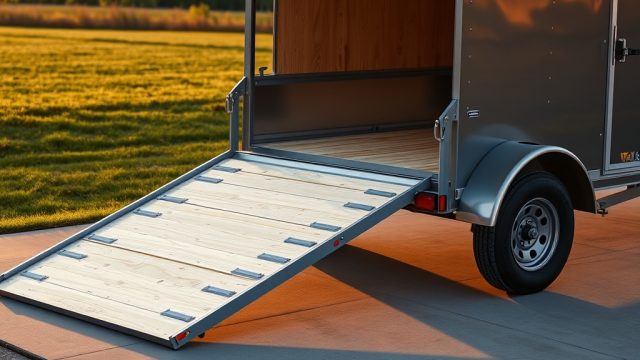
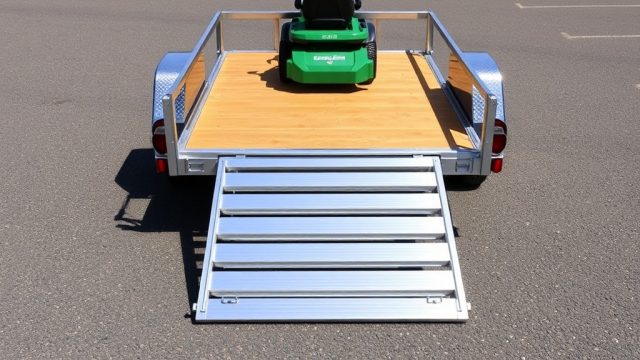
The Big Tex 14SR, a staple in the utility trailer market, is renowned for its robust construction and versatile design, but its ramp system is what truly sets it apart for loading heavy equipment and materials. The trailer comes standard with a heavy-duty, spring-assisted tailgate that converts into a ramp, allowing for smooth transitions from ground to bed. This design eliminates the need for separate ramps, reducing setup time and clutter. Understanding the mechanics of this ramp—its weight capacity, hinge points, and locking mechanisms—is crucial for safe operation. The ramp can handle up to 1,500 pounds of distributed load when used properly, but exceeding this or using improper technique can lead to damage or injury. This article focuses on ramp and loading techniques to ensure every use is efficient and accident-free.
How Do You Inspect the Ramp Before Loading?
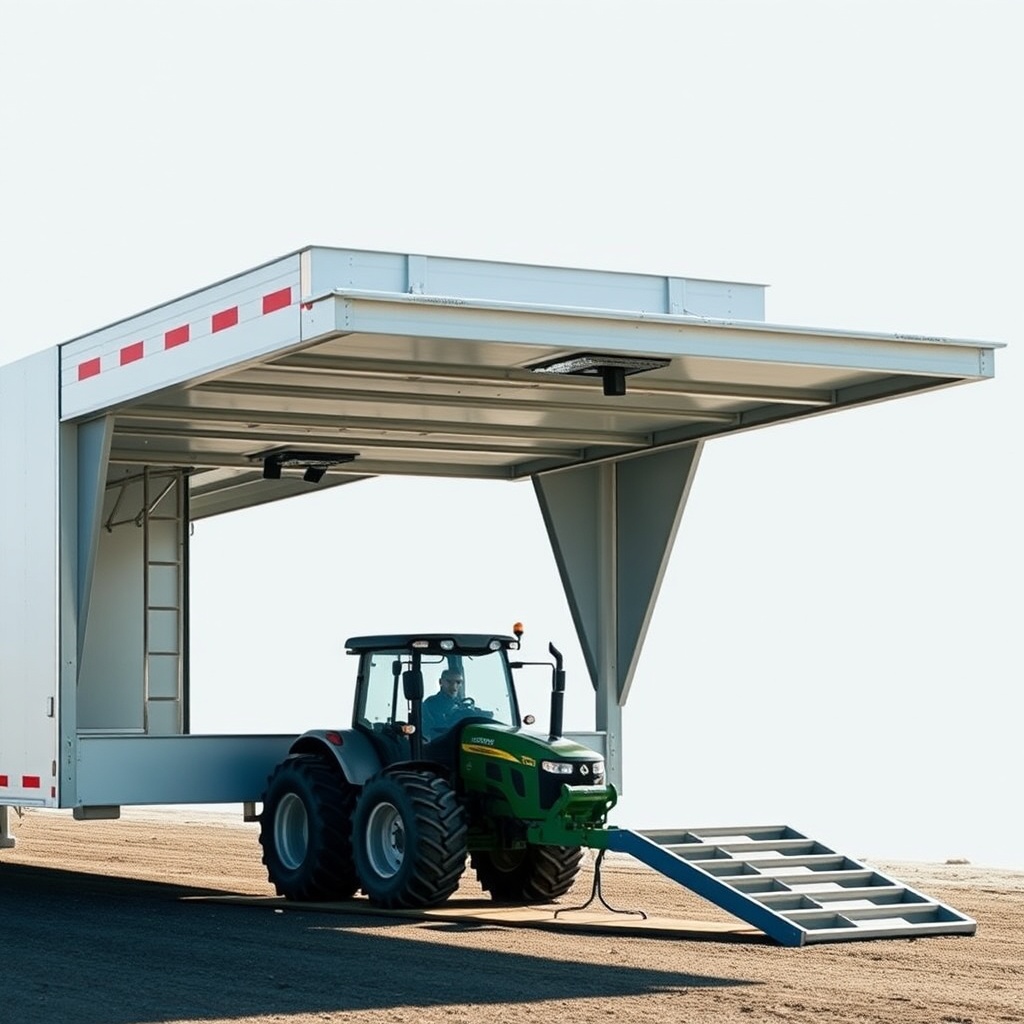
Before any loading operation, a thorough inspection of the Big Tex 14SR ramp is non-negotiable. Check the hinge pins for wear or corrosion, as these are stress points that can fail under heavy loads. The spring-assist mechanism should move freely; if it squeaks or binds, apply a lithium-based grease to the pivot points. Examine the ramp surface for cracks, especially near the fold joint where the tailgate meets the ramp section. The locking latches, which secure the ramp in the upright (gate) position, must engage fully. A common issue is debris in the latch mechanism, causing it to not click shut. Test the ramp by applying light pressure at the end—there should be no more than 1/4 inch of vertical play. If the ramp shows signs of rust or deformation, consult a professional or replace components before loading anything over 500 pounds.
What Is the Proper Angle for Loading Heavy Items?
The loading angle of the Big Tex 14SR ramp directly affects the stability of the load and the strain on the trailer’s hitch. When the ramp is fully extended, the angle between the ramp and the ground should be approximately 15–20 degrees, depending on the ground level. If the ramp is too steep (approaching 30 degrees or more), equipment like a lawn tractor or skid steer may lose traction or tip backward. To adjust, park the trailer on a level surface or use a leveling block under the trailer’s tongue jack. For extremely heavy items like a compact excavator (weighing up to 3,000 pounds), consider using a Big Tex 14SR GVWR and Payload Capacity Explained to ensure you don’t exceed the trailer’s total capacity. A good rule of thumb: the ramp’s end should touch the ground at a point where the distance from the trailer’s rear axle to the ground contact is no more than 2.5 times the ramp length. Measure this with a tape measure to avoid a dangerous angle.
Ramp Angle Guidelines for Common Loads
| Load Type | Weight (lbs) | Recommended Ramp Angle (degrees) | Minimum Ground Clearance Needed |
|---|---|---|---|
| Lawn Tractor | 500–800 | 15–20 | 4 inches |
| ATV/UTV | 800–1,200 | 10–15 | 6 inches |
| Skid Steer | 1,500–2,500 | 12–18 | 8 inches |
| Utility Trailer Dog (SUV) | 3,000–5,000 | 8–12 (use trailer’s hitch height adjustments) | 10 inches |
Always consult the manufacturer’s specifications for your specific load. Using an angle finder tool (available at hardware stores) can help verify before loading.
How Do You Secure the Load While Using the Ramp?
Securing the load during ramp loading is a multi-step process that builds on good technique. First, apply the trailer’s parking brake or chock the wheels to prevent rolling. For the Big Tex 14SR, which has a 2-inch coupler, ensure the hitch lock is engaged if connected to a vehicle. When loading, have a spotter stand at the rear to guide the operator, especially if the load has low ground clearance. As the load reaches the ramp’s midpoint, the operator should maintain a steady, slow speed—no faster than 2 mph. Once the load is fully on the bed, immediately set the parking brake of the loading equipment and use ratchet straps to secure to the trailer’s D-rings. The Big Tex 14SR typically comes with four D-rings rated at 2,000 pounds each. Connect straps at 30-degree angles to the load to prevent shifting. Do not rely on the ramp’s hinge strength as a tie-down point.

What Techniques Reduce Strain on the Hitch During Ramp Loading?
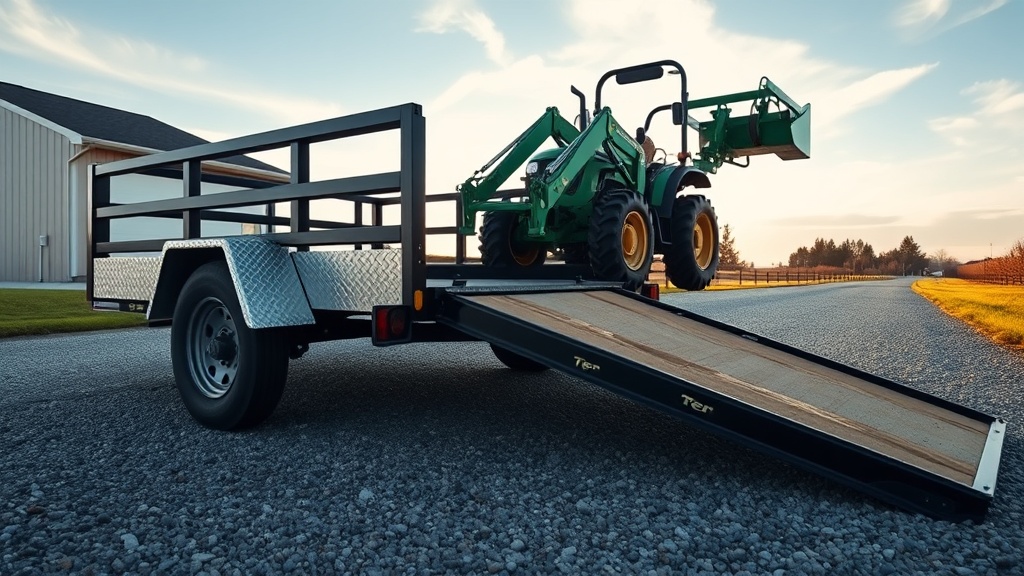
Loading heavy items onto a trailer can put significant stress on the towing hitch, especially with a ramp-style loading. The Big Tex 14SR, when fully loaded, can have a tongue weight around 10–15% of the total load (up to 1,000 pounds for a 7,000-pound GVWR). To reduce hitch strain, use the following techniques. First, position the load as far forward as possible, but not so far that the tongue exceeds the hitch’s capacity. Use a Best Hitch Setup for Big Tex 14SR Trailers to match the correct class (typically Class III or IV). Second, when the load is being driven up the ramp, the operator should stop at the top of the ramp and let the trailer settle for a few seconds before continuing forward. This prevents a “rocking” motion that can increase dynamic loads on the hitch. Third, if loading a long item (like a tractor with front-loader bucket), ensure the bucket is raised slightly to avoid scraping the ramp, which can cause sudden jerks. Finally, use a weight-distributing hitch if the trailer’s loaded tongue weight exceeds 500 pounds, as this spreads the load between the trailer and the tow vehicle.
How Does the Big Tex 14SR Compare to Competitors in Ramp Design?
When evaluating ramp systems, the Big Tex 14SR holds its own against popular models like PJ Trailers and Wells Cargo. The key differentiator is the spring-assist mechanism, which reduces the effort to lift the ramp from the ground to the upright position by about 40% compared to manual fold-out ramps. In comparison, the Big Tex 14SR vs PJ Trailers 5×10: Comparison Review shows that PJ often uses a slide-in ramp system, which can be quicker to deploy but lacks the integrated gate function of the 14SR. The Big Tex 14SR vs Wells Cargo 6×12: Detailed Comparison highlights that Wells Cargo’s ramp is heavier gauge steel, but the 14SR offers a wider ramp (typically 80 inches vs 72 inches) for wider equipment. However, the 14SR’s ramp is not designed for extremely low-clearance items like sports cars without additional wooden blocking, while some competitors offer optional beavertail extensions. The Big Tex 14SR’s ramp is engineered for utility loads—lawn equipment, construction materials, and even some light excavators—making it a solid middle-ground choice for most users.
What Owners Say About the Big Tex 14SR Loading Experience
Users consistently praise the Big Tex 14SR for its ramp’s ease of use. John M., a landscaper from Texas, reports: ‘I load a 1,800-pound mower every day. The spring-assist makes it one-handed, and the ramp doesn’t flex. But you have to keep the hinges greased.’ Another owner, Sarah T. from Ohio, notes a common caution: ‘The ramp can be slippery when wet. I added some anti-slip tape, and it’s been a game-changer for loading ATVs.’ Several owners mention that the ramp’s folding design requires a bit of practice to close cleanly—it’s easy to pinch fingers if not careful. The overall sentiment is that the Big Tex 14SR ramp is reliable but not immune to wear: after about two years of heavy use, the spring tension may weaken, requiring replacement parts (available from dealers for about $35 per spring). For heavier loads, some owners recommend using a winch kit (sold separately) to assist in pulling items like zero-turn mowers up the ramp, which reduces the risk of runaway loads.
Frequently Asked Questions
What is the exact weight capacity of the Big Tex 14SR ramp?
The Big Tex 14SR ramp is rated for a maximum distributed load of 1,500 pounds. This means the load must be spread evenly across the ramp surface. Concentrated loads, such as a single wheel from a skid steer, should not exceed 1,200 pounds at any given point. Always check your owner’s manual for the specific year of your trailer, as older models may have a lower rating.
Can I use the Big Tex 14SR ramp as a loading dock for forklifts?
No, the ramp is not designed for loading dock applications. It is intended for drive-on loading of vehicles and equipment with rubber tires. Forklifts, especially those with hard steel forks, can damage the ramp’s surface and hinge mechanism. For forklift loading, use a dedicated dock plate or consider a trailer with a steel bed and no ramp.
How do I lubricate the Big Tex 14SR ramp hinges?
Use a white lithium grease spray or a waterproof marine grease applied with a brush. Spray or apply directly to the hinge pins and the spring coil ends. Do not use WD-40 as a long-term lubricant; it will attract dirt. Repeat this every 30 days or after exposure to rain or mud. Avoid over-lubricating, as excess grease can drip onto the ramp surface and create a slip hazard.
What should I do if the ramp spring breaks while loading?
Immediately stop loading and lower the load carefully (if it is partially on the ramp). Do not attempt to lift the ramp manually if you have a 400+ pound load. Use a floor jack to support the ramp, then remove the broken spring. Replacement springs are available from Big Tex dealers for approximately $25–$35 per spring, and you can install them with basic hand tools. Always replace springs in pairs to maintain balanced tension.
Is the ramp compatible with the trailer’s GVWR?
Yes, the ramp’s 1,500-pound capacity is designed to work within the trailer’s overall GVWR (which ranges from 6,500 to 7,000 pounds depending on the axle configuration). However, the ramp only handles a portion of the load while it is being ramped; once the load is on the bed, the ramp is not used for support. For full details, see our Big Tex 14SR Utility Trailer: Complete Buying Guide.
Can I add a beavertail extension to the Big Tex 14SR ramp?
The Big Tex 14SR ramp is not designed for bolt-on beavertail extensions. Modifying the ramp can void the warranty and compromise safety. If you need a lower loading angle for low-clearance equipment, consider using a set of drive-up ramps (sold separately) that meet the ground at a shallower angle, or look at trailer models with a built-in beavertail design.