Wells Cargo 6×12 Ramps and Loading: Safe Techniques
Loading a Wells Cargo 6×12 utility trailer demands precision and an understanding of ramp mechanics to prevent accidents and equipment damage. With a typical ramp gate rated for 1,500–2,000 lbs, operators must match loading techniques to cargo weight and distribution. This guide breaks down safe ramp use, weight limits, and common mistakes for owners in the UK market.
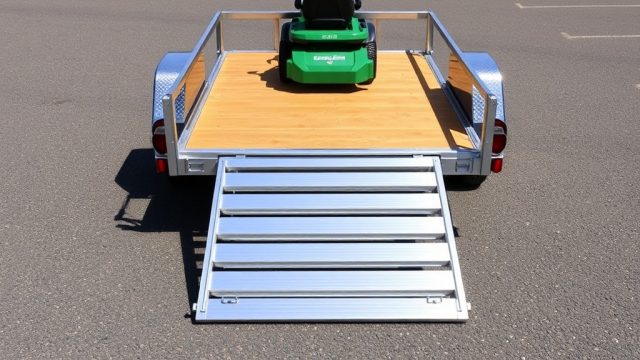
The standard 6×12 model features a 60-inch-wide ramp with a 45-degree angle, suitable for ATVs, lawn tractors, and small machinery. However, improper loading can stress the hinge system, leading to ramp failure or trailer instability. Master these techniques to extend the trailer’s lifespan and ensure safety on every job.
What Is the Maximum Weight Capacity for the Wells Cargo 6×12 Ramp?
The ramp itself is the critical weak point. Wells Cargo specifies a 1,800-lb (816 kg) static load for the standard spring-assist ramp gate. This includes the weight of the cargo plus any dynamic forces during loading. Exceeding this limit risks hinge pin shearing or deck cracking. For comparison, the trailer’s total payload capacity is 7,000 lbs (3,175 kg), so operators often load less than the ramp’s rating but must verify the ramp’s condition.
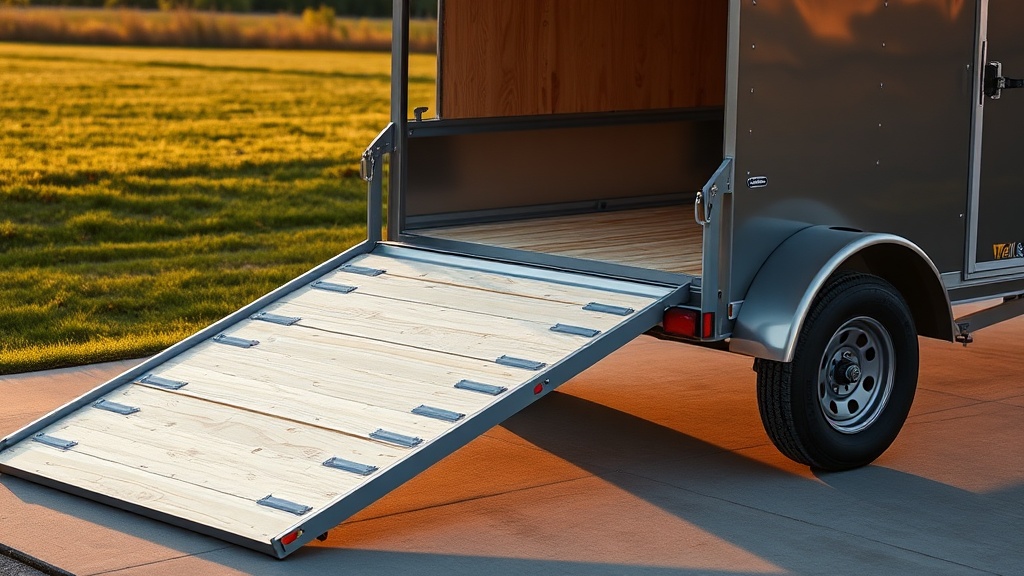
The ramp gate uses a 14-gauge steel frame with a 5/8-inch plywood deck. Over time, moisture can weaken the wood, reducing effective capacity by up to 20%. Inspect the ramp for soft spots or rust on the hinges before each use. If loading near the limit, distribute the weight evenly across the ramp width—never concentrate it on one side.
How to Properly Position the Trailer for Safe Ramp Loading
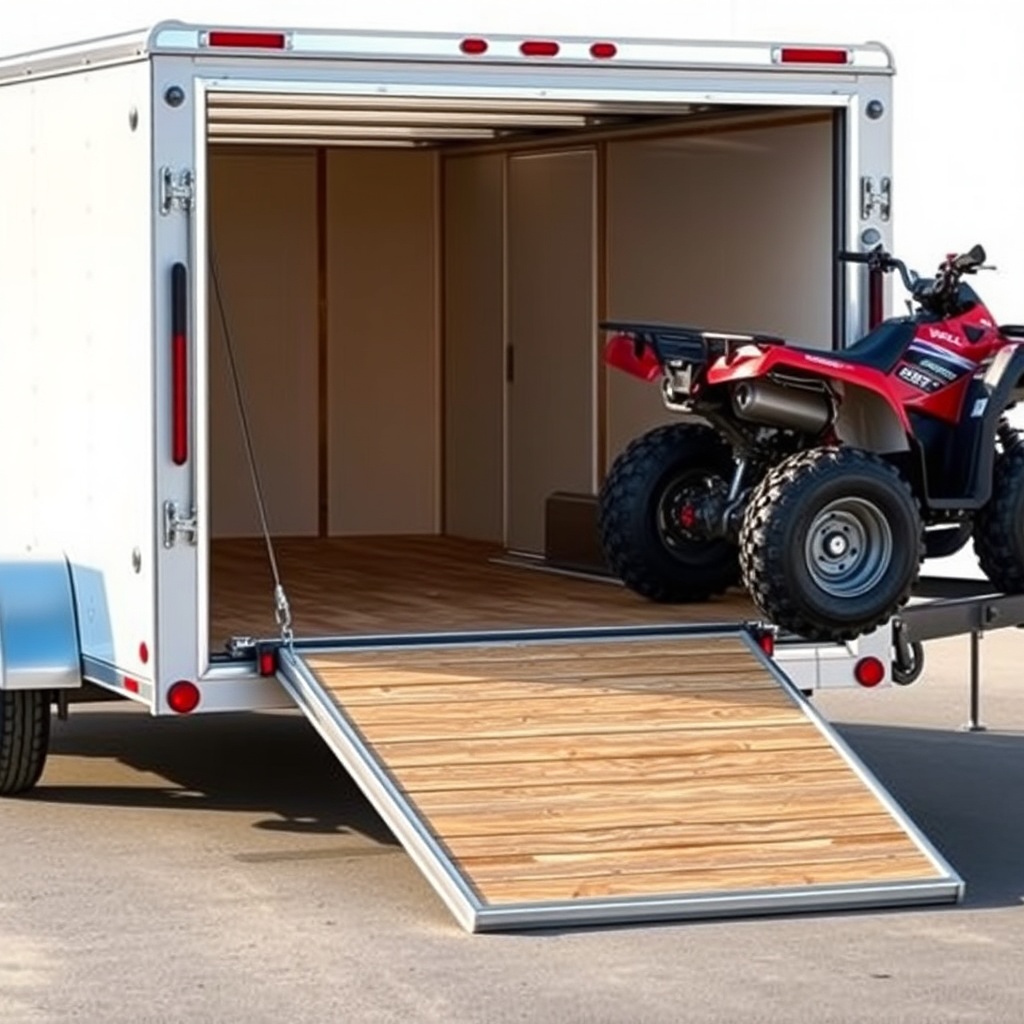
Trailer positioning determines ramp angle and loading safety. Park the trailer on level, firm ground with the hitch secured to a vehicle. Disconnect the safety chains only after verifying the trailer is stable. Use chocks behind the trailer wheels to prevent rolling, especially on sloped driveways. The ramp gate should rest flat on a low-friction surface like concrete or packed gravel—never on loose soil that can shift.
For heavy loads (over 800 lbs), lower the trailer tongue jack to raise the front slightly, reducing the ramp angle. This decreases the steepness, making loading easier on both the cargo and the ramp hinges. Conversely, for lightweight items like a push mower, a steeper angle is manageable. Always walk the ramp first to test for sturdiness; if it flexes more than 1 inch, redistribute the load or use a secondary ramp.
What Are the Correct Techniques for Loading Different Cargo Types?
Loading methods vary by cargo shape and weight. The table below summarises safe approaches for common items:
| Cargo Type | Weight (lbs) | Ramp Angle | Loading Technique |
|---|---|---|---|
| ATV/UTV | 600–1,200 | 15–20 degrees | Drive slowly with engine off, use winch if available, stay centred |
| Lawn tractor | 300–500 | 20–25 degrees | Push up ramp by hand with helper, secure with straps before raising ramp |
| Furniture/boxes | 50–200 per item | 30–35 degrees | Use a dolly or hand truck, walk alongside, stack evenly |
| Heavy machinery like log splitter | 800–1,500 | 10–15 degrees | Use a winch anchored to a D-ring, apply brakes on the trailer |
For tracked vehicles like mini excavators, the ramp gate may not support the load due to track concentration. Use a separate loading ramp rated for 2,500 lbs to spread the weight. Never drive up or down an unattended ramp—always have a spotter. The payload and weight distribution guide provides further details on axle weights.
How to Secure Loads After Ramp Loading
Once in the trailer, tie-downs are non-negotiable. Use at least four ratchet straps rated for the cargo’s weight—one at each corner. Attach to the trailer’s D-rings welded to the frame floor (typically six or eight rings). For items under 500 lbs, two straps suffice. Always apply tension evenly to prevent shifting during travel, especially on corners. Check straps every 30 miles for loosening due to vibration.
For tall loads like a zero-turn mower, add wheel chocks inside the trailer. For lighter cargo like boxes, use cargo nets or bungee cords across the entire load. Never rely solely on the ramp gate for restraint. The buying guide advises reading the owner’s manual for specific tie-down point locations and weight limits per point.
What Common Ramp Loading Mistakes Do Owners Make?
One frequent error is using the ramp gate as a platform for loading heavy equipment without first lowering it fully. Partially deployed ramps stress the hinges and can collapse. Another mistake is overloading one side of the ramp, causing it to twist or buckle. Even the best-built ramp can fail if a tracked vehicle’s weight concentrates on one edge.
Owners also neglect to check ramp maintenance. Hinges need occasional greasing, and wood decks require sealant annually. A cracked ramp gate can be replaced, but only with a genuine Wells Cargo part—aftermarket designs may not align with the trailer’s hinge spacing. For electrical issues that affect ramp lights, see the lighting and wiring troubleshooting guide.
What Owners Say About the Wells Cargo 6×12 Ramp System
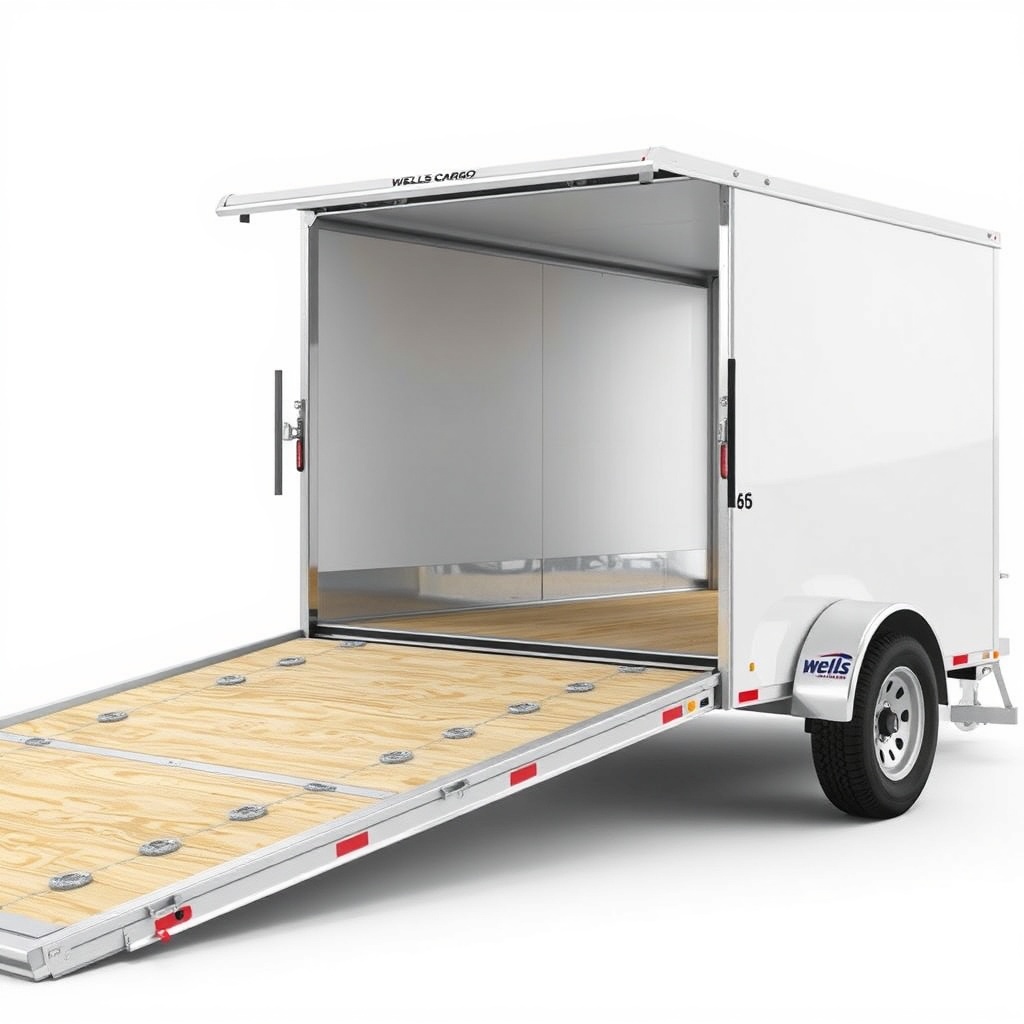
Long-term owners review the ramp design as solid but note that the 5/8-inch plywood deck can delaminate after two to three years of heavy use if not stored under cover. One owner reported replacing the ramp wood with 3/4-inch marine-grade plywood, which increased rigidity without affecting hinge clearance. Another common praise is the spring assist mechanism, which makes lowering the ramp smooth and prevents it from slamming down.
However, some owners mention that the ramp angle is too steep for very low-clearance equipment like golf carts. They recommend using a portable loading ramp alongside the gate. Others highlight that the ramp width (60 inches) accommodates most UTVs but can be tight for full-size ATVs with wide handlebars. On the whole, owners rate the ramp system 4 out of 5 stars for reliability when properly maintained. For floor durability specifics, check the floor construction review.
Frequently Asked Questions
Can I replace the ramp deck with a steel plate?
Yes, but only if the steel plate adds weight that does not exceed the hinge capacity. A 1/8-inch steel plate (approx 70 lbs) works, but welding may void warranty. Use bolts or clamps to attach.
How often should I lubricate the ramp hinges?
Lubricate hinges every three months or after exposure to rain or mud. Use a lithium grease sprayed directly onto the hinge pin. Wipe excess to prevent attracting dirt.
What is the maximum slope angle for loading?
The ramp is designed for a 15–20 degree angle from horizontal. Avoid slopes over 25 degrees, as the cargo may tip backward or the ramp may slip off the trailer edge.
Can I use a ramp extension to reduce the angle?
Yes, ramp extensions can lower the angle by 5–10 degrees, but ensure the extension is rated for the same load and attaches securely to the main ramp gate.
Do I need a special hitch for loading heavy items?
No, the standard 2-inch ball hitch works, but ensure the tow vehicle can handle the combined weight of trailer and cargo. Use a weight distribution hitch for loads over 5,000 lbs.
What causes ramp gate sag over time?
Fatigue in the spring assist or loosening hinge bolts. Inspect bolts quarterly. Re-torque to manufacturer specs (typically 25–35 ft-lbs). Replace springs if they lose tension.