PJ Trailers 5×10 vs Wells Cargo 6×12: Which Is Better?
When you’re in the market for a utility trailer, the choice between a PJ Trailers 5×10 and a Wells Cargo 6×12 often comes down to balancing maneuverability against cargo capacity. Both brands are respected for their build quality, but they serve slightly different owner profiles. This comparison digs into the practical differences—from weight ratings and floor construction to ramp ease and long-term maintenance—so you can decide which chassis fits your hauling needs.
What Are the Key Size and Capacity Differences Between the PJ Trailers 5×10 and the Wells Cargo 6×12?
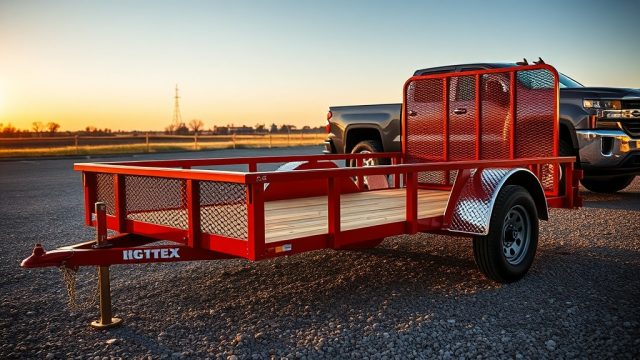
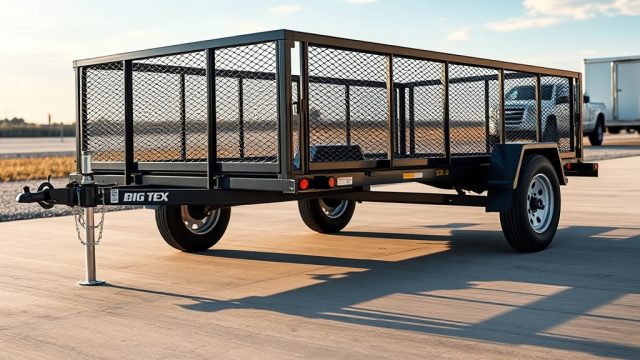
The most immediate difference is deck footprint. The PJ Trailers 5×10 measures 5 feet wide by 10 feet long, while the Wells Cargo 6×12 provides an extra foot of width and two additional feet of length. That extra 2×5-foot section (roughly 10 square feet) matters for hauling bulky items like furniture or longer lumber.
In terms of gross vehicle weight rating (GVWR), a typical PJ Trailers 5×10 is rated around 2,990 pounds with a payload capacity of roughly 2,000 pounds, depending on the specific model and options. Wells Cargo’s 6×12 often starts at a 3,500-pound GVWR, offering a payload of around 2,500 pounds. The heavier Wells Cargo frame also means more steel, so its curb weight is higher—around 1,200 pounds versus the PJ’s 990 pounds. That weight matters when you’re towing with a smaller SUV or midsize truck.
If you frequently haul loads that just barely fit in a 5×10, stepping up to the 6×12 may save you from multiple trips. But if tight turning radius and garage storage are priorities, the narrower PJ platform wins.
How Do the Floor Materials and Construction Compare?
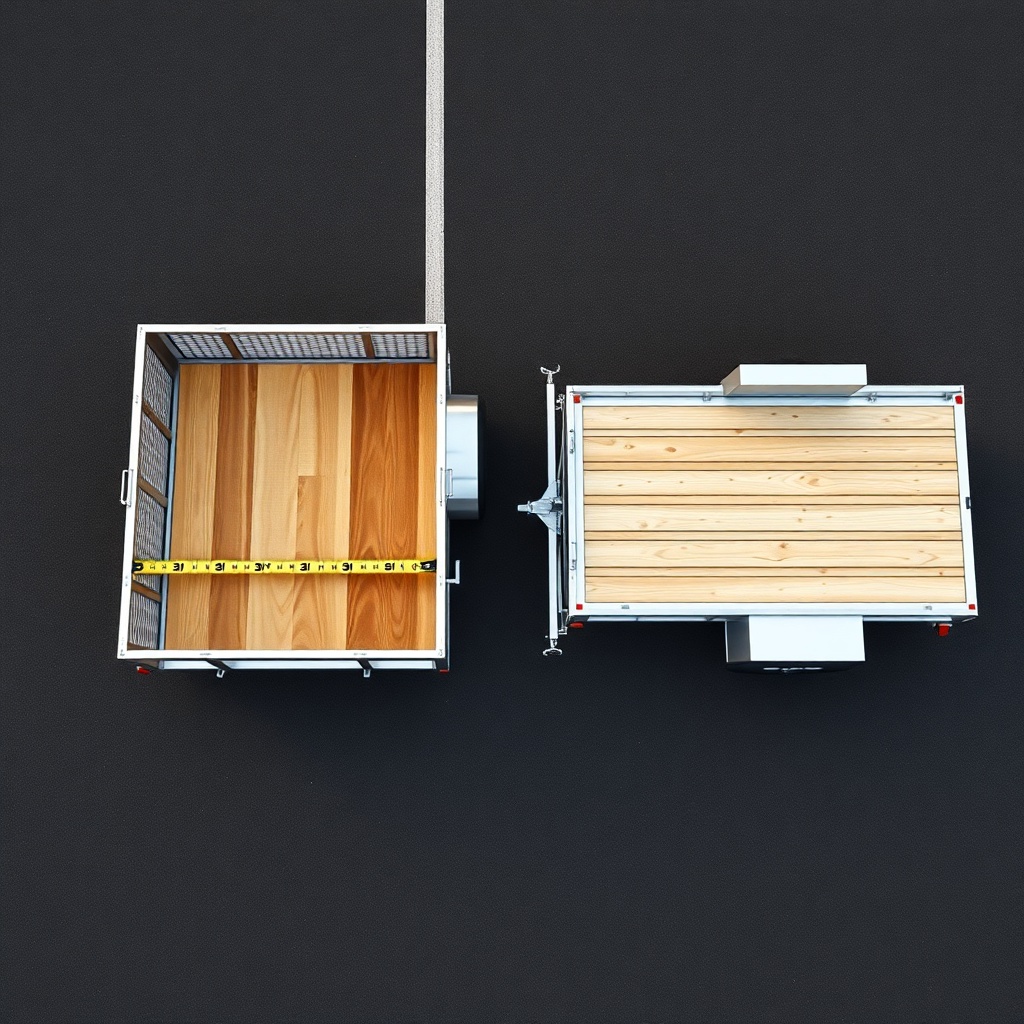
Floor material is a major durability factor. The PJ Trailers 5×10 Floor Material and Construction Review details that PJ typically uses either 2×6 pressure-treated southern yellow pine planks or a fully welded 14-gauge diamond-plate steel floor. The wood option is lighter and easier to replace, but it requires annual sealing. The steel floor is tougher for gravel and heavy machinery but adds weight and can be slippery when wet.
Wells Cargo, by contrast, almost exclusively uses 1/2-inch or 5/8-inch exterior-grade plywood over steel crossmembers. The plywood is smooth and less likely to trap debris but is prone to water damage and rot if the trailer is stored outdoors. Owners who haul wet dirt or concrete bags often retrofit a steel top layer on a Wells Cargo. Both brands use treated lumber where applicable, but PJ’s diamond-plate option eliminates wood maintenance entirely. For heavy use, the PJ steel floor is more industrial, while the Wells Cargo plywood suits lighter, enclosed cargo.
Which Trailer Is Easier to Load? Ramps and Access
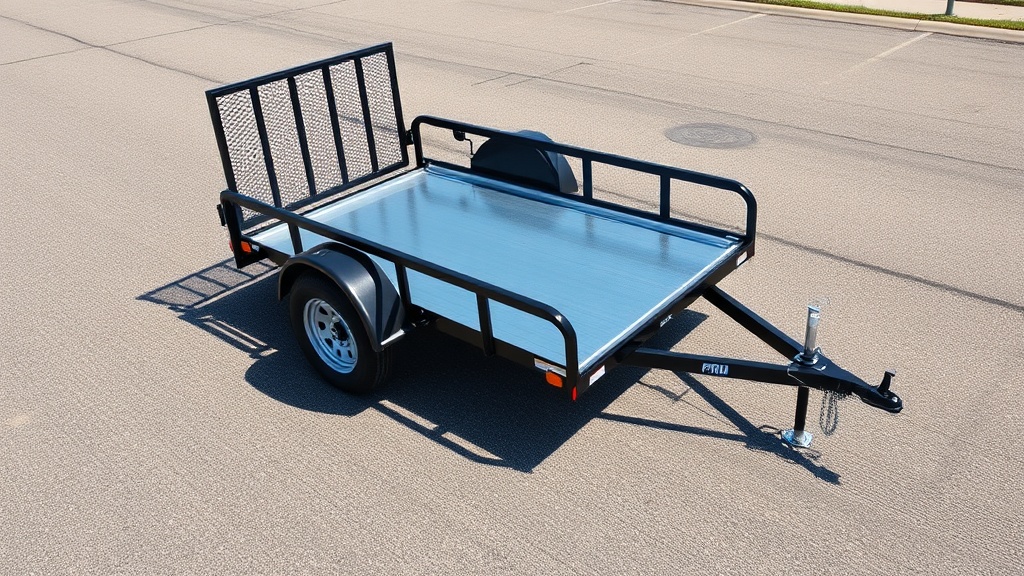
Loading a 5×10 trailer is generally simpler due to the shorter length. The PJ Trailers 5×10 Ramp Options and Loading Tips note that PJ offers both a standard 2-foot aluminum fold-down ramp rated for 1,500 pounds and an optional 4-foot bi-fold ramp that extends further for lower incline angles. The 5×10 width means you can center heavier equipment like a zero-turn mower without worrying about side clearance.
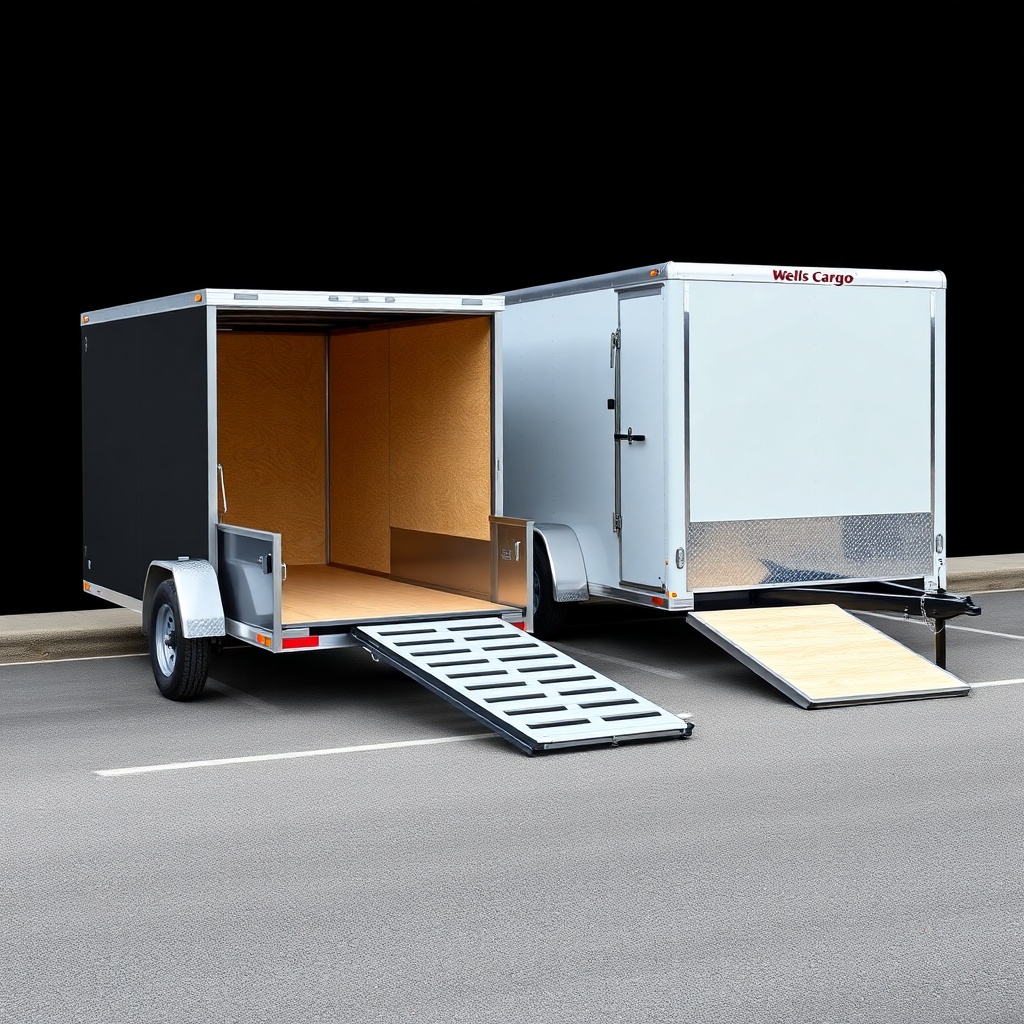
Wells Cargo’s 6×12 often uses a full-width rear ramp gate (or split ramp doors) that doubles as a tailgate. The loading angle is shallower because the ramp is longer, which helps ride-on mowers and ATVs with low ground clearance. However, the extra width requires more attention when centering loads. A 48-inch mower in a 6×12 gives you 24 inches of wiggle room on each side—great for maneuvering but harder to keep the load balanced. If you’re hauling pallets or skids that are exactly 48 inches wide, the 6×12 offers easier access.
Which Trailer Offers Better Bang for Your Pound (or Dollar)?
Pricing for a new PJ Trailers 5×10 typically ranges from £2,200 to £3,500 depending on floor type and options (hard for the US audience: $2,800 to $4,200 USD). Wells Cargo’s 6×12 starts around £3,800 to £5,200 ($4,800–$6,500 USD). The larger trailer carries a premium of roughly 40–50% in base price.
But consider resale value: Wells Cargo holds value well due to its reputation for enclosed cargo protection and aluminum siding. PJ’s open utility trailers depreciate slightly faster but are easier to sell locally, especially if the floor is steel or solid wood. For occasional home-use hauling of yard waste, furniture, or small machinery, the PJ 5×10 gives you the best value per pound of payload. For businesses requiring weatherproof storage or hauling high-value goods, Wells Cargo’s enclosed design justifies its higher cost.
Which Trailer Requires More Maintenance?
Maintenance profiles differ significantly. The How to Maintain and Rust-Proof Your PJ Trailers 5×10 guide stresses that open trailers see more direct exposure to salt, rain, and UV. The PJ’s steel frame and diamond-plate floor need annual inspection for rust spots, especially around weld joints and spring hangers. Wooden floors need sealing every 12 to 18 months. Undercarriage galvanization helps.
Wells Cargo’s enclosed body protects its floor and frame from direct weather, reducing floor rot and frame rust. But the roof seams, door hinges, and rubber seals need checking for leaks. Plywood floors may need occasional sealing or replacement after 5–7 years if not stored indoors. You also need to maintain the ramp gate hardware. Overall, the open PJ 5×10 demands more visual inspections for rust, while the Wells Cargo needs more weatherproofing on its enclosure.
| Maintenance Item | Usually Not Urgent | Needs Attention Soon |
|---|---|---|
| PJ wood floor sealing | Annual light coat of wood preservative | Rot or water stains; bare wood exposed for 2+ seasons |
| PJ steel floor rust spots | Surface rust under 2 cm; no pitting | Rust with flaking or pin-holes; metal thinning |
| PJ frame welds & spring shackles | Minor surface rust; no cracks | Visible crack at weld joint; squeaking or wobble |
| Wells Cargo roof seam sealant | Small cracks in sealant; no leaks | Water stains inside ceiling; sagging sealant |
| Wells Cargo plywood floor | Slight discoloration; no soft spots | Soft or spongy area > 6 inches; visible rot |
| Ramp or door hardware | Rust on hinges; latches operate with slight friction | Latch stuck; gas strut fails to hold ramp |
What Owners Say About Each Trailer
PJ Trailers 5×10 owners often note: “The 5-foot width is perfect for my garage—it parks out of the way. I haul my Kubota BX1880 and the steel floor hasn’t dented after three years of gravel and stone loads. The ramp is light enough that I can fold it solo. My only gripe is that on a wet day, the diamond plate gets slick, but a sheet of rubber mat fixes that.”
Wells Cargo 6×12 owners typically say: “I use it for my custom furniture business. Being enclosed means my polished tables don’t get dust or rain on the way to shows. I can stand upright inside the 6-foot interior height. Downside: the trailer is heavy—about 1,200 pounds empty—and my Honda Pilot feels it. Also, the plywood floor started delaminating after five years, so I replaced it with 3/4-inch treated plywood.”
Real-world feedback highlights that PJ owners prioritize compact storage and low maintenance, while Wells Cargo owners value cargo protection above all else. Both groups report high satisfaction with build quality, but PJ owners are more likely to mention rust prevention routines.
Frequently Asked Questions
Can I tow a PJ Trailers 5×10 with a standard SUV?
Yes. Most midsize SUVs (like a Toyota Highlander or Ford Edge) with a tow rating of 3,500 pounds can safely handle a PJ 5×10 weighing under 1,000 pounds empty, plus a 2,000-pound payload. Always check your vehicle’s specific towing capacity and ensure the hitch and wiring are rated for trailer brakes if your PJ model includes them.
Is the Wells Cargo 6×12 too heavy for a full-size pickup?
No, a full-size pickup like a Ford F-150 with the tow package (rated 5,000+ pounds) will handle a loaded 6×12 easily. The trailer’s GVWR of 3,500 pounds is well within that range. However, you’ll need to plan for added tongue weight—around 350 to 500 pounds when loaded.
Does the PJ Trailers 5×10 come with brakes?
Most PJ 5×10 models offer electric brakes as an option on the 2,990-pound GVWR units. Many states require brakes on trailers over 3,000 pounds, so check local laws. Standard models may not include brakes, so verify when ordering.
What is the warranty on a Wells Cargo 6×12?
Wells Cargo typically offers a 2-year limited warranty on the entire trailer, with a 5-year warranty on the frame against defects. The plywood floor is covered under the initial 2-year period. Extended warranties are available through dealers.
Can I convert the PJ Trailers 5×10 from a wood floor to steel?
Yes, but it’s not a simple swap. The steel floor integrates with the frame via weld-on brackets. It’s generally easier to order a new PJ with the steel floor option from the factory. Retrofitting a steel plate over the wood floor adds weight but is doable with custom fabrication.
Which trailer is better for ATVs and side-by-sides?
A PJ 5×10 fits most ATVs (48 to 50 inches wide), but a larger side-by-side (like a 60-inch wide machine) will not fit. The Wells Cargo 6×12 accommodates most side-by-sides due to the extra width and interior clearance. For ATV-only use, the PJ is lighter and easier to maneuver; for larger vehicles, the Wells Cargo is essential.