Big Tex 14SR vs Wells Cargo 6×12: Detailed Comparison
Choosing between a Big Tex 14SR and a Wells Cargo 6×12 trailer often comes down to how you plan to use it: heavy-duty hauling versus secure, weathertight cargo transport. Both are respected names in the utility trailer market, but they serve different primary roles. This comparison breaks down the key differences in frame construction, weight capacity, hauling features, and price to help you decide which trailer fits your typical workload and budget.
What are the key frame and construction differences between the Big Tex 14SR and Wells Cargo 6×12?
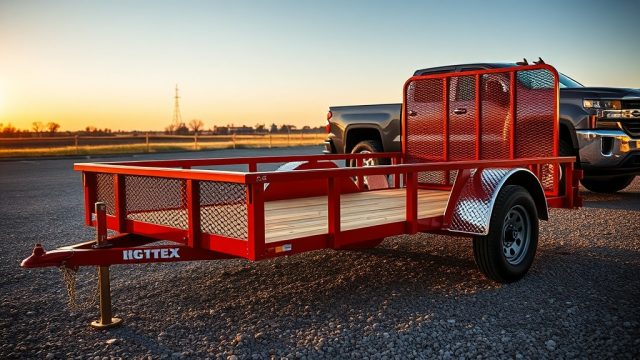
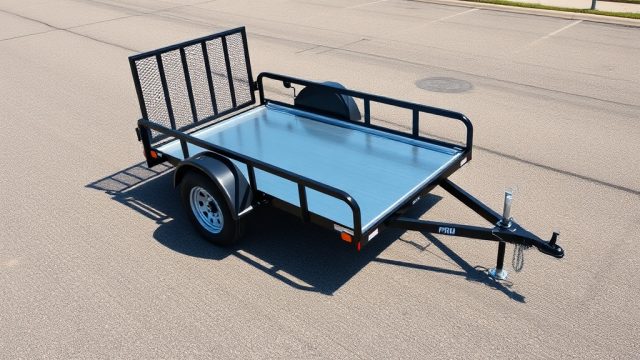
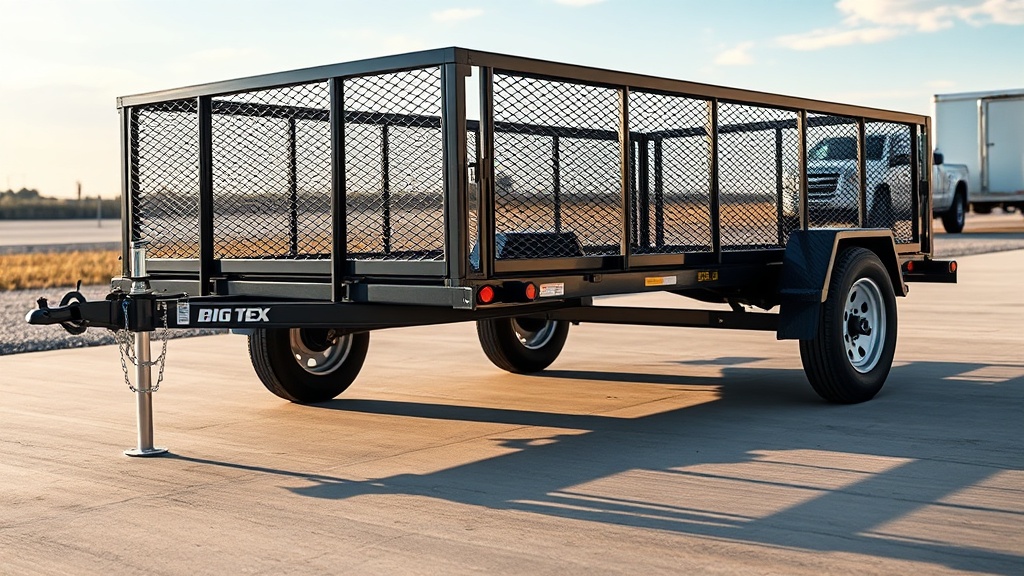
The Big Tex 14SR is built on a ladder-style A-frame with a heavy-duty steel tongue and crossmembers on 16-inch centers. Its frame is designed for open hauling of equipment, materials, and large items like skid steers or tractors. The Wells Cargo 6×12, in contrast, features an enclosed aluminum or steel body with a full steel frame underneath. It uses a fully enclosed tube-frame construction with a V-nose for improved aerodynamics. The Wells Cargo’s enclosed nature provides weather protection for sensitive cargo but adds significant weight, reducing payload capacity relative to the Big Tex 14SR.
In terms of durability, the Big Tex 14SR’s frame is built to handle repeated heavy loads and off-road use, with a torsion axle system for a smoother ride. The Wells Cargo 6×12 relies on a slipper spring suspension, which is adequate for highway towing but less robust for uneven terrain. The Big Tex’s open design means easier loading and unloading of bulky items, while the Wells Cargo requires a ramp door for access, which can limit cargo height.
How do the weight capacities and GVWR compare between the two trailers?
The Big Tex 14SR typically has a GVWR of 7,000 to 10,000 pounds depending on the specific model configuration, with a payload capacity of 5,400 to 8,400 pounds after accounting for the trailer’s own weight (around 1,600 to 2,600 pounds). The Wells Cargo 6×12 enclosed trailer has a GVWR of around 5,500 to 7,000 pounds, but its heavier body (often 2,800 to 3,200 pounds) results in a payload of roughly 2,300 to 4,200 pounds. This makes the Big Tex 14SR substantially more suited for heavy equipment like skid steers, mini excavators, or large pallets of materials. For more detailed figures, see our Big Tex 14SR GVWR and Payload Capacity Explained guide.
If you frequently haul lightweight items like furniture, tools, or inventory that need protection from the elements, the Wells Cargo 6×12’s lower payload may be acceptable. But for anything over 4,000 pounds of cargo, the Big Tex 14SR is the clear winner. When towing, the Wells Cargo’s enclosed shape produces more wind resistance, requiring a more powerful tow vehicle, while the Big Tex 14SR’s open design reduces drag.
What are the towing requirements and hitch setup differences?
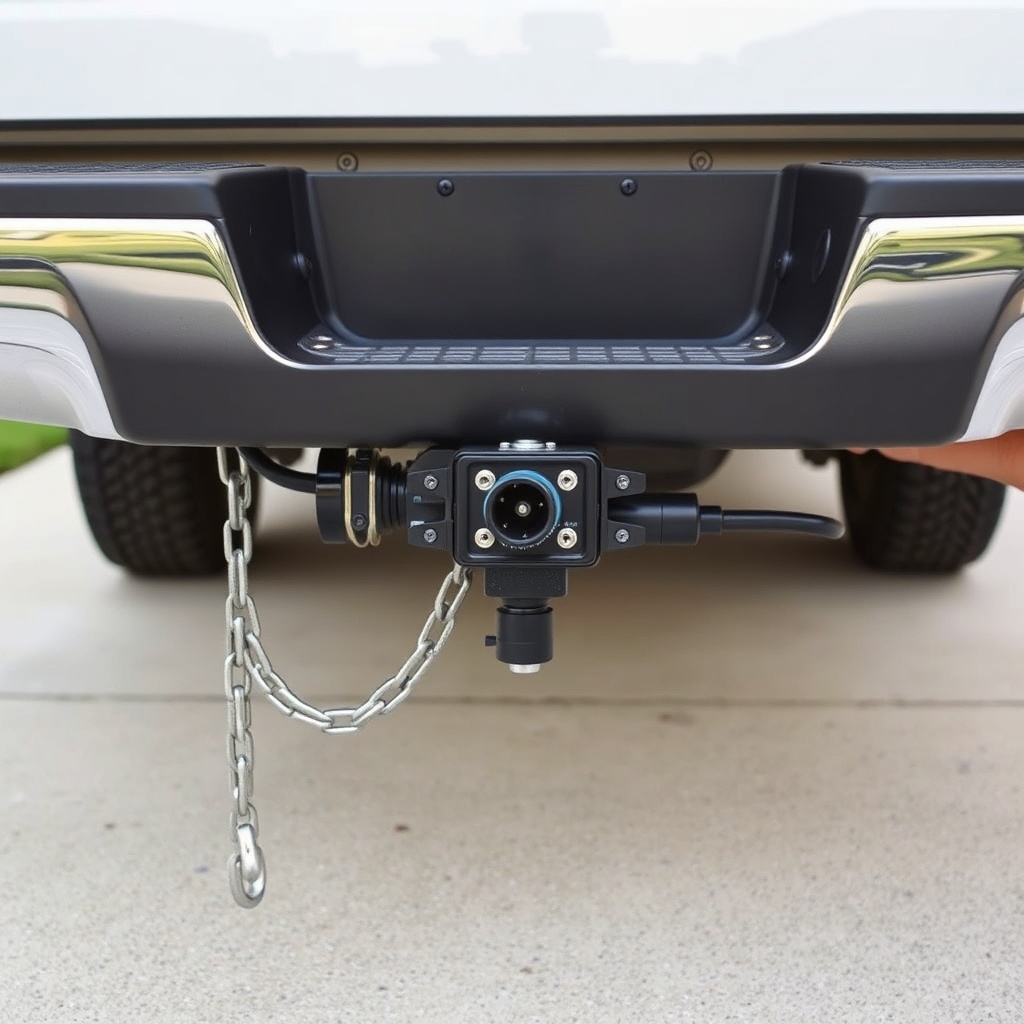
The Big Tex 14SR requires a Class IV or Class V hitch receiver and a weight distribution system for loads over 5,000 pounds. It typically uses a 2-5/16-inch ball for the 7,000-10,000 GVWR models, and electric brakes on both axles are standard. The Wells Cargo 6×12 with a 7,000 GVWR needs a similar hitch but may only require a 2-inch ball, depending on tongue weight (usually around 500-700 pounds). Both trailers need a 7-way round connector for lights and brakes, but the Wells Cargo often demands a brake controller capable of handling heavier braking forces due to its greater inertia at highway speeds.
For the Big Tex 14SR, proper tongue weight is critical—typically 10-15% of total loaded weight. With its longer 14-foot deck, you must distribute cargo evenly to avoid excessive tongue weight. The Wells Cargo, with its enclosed design, requires careful weight distribution inside the cabin to avoid sway. For specific hitch recommendations, read our Best Hitch Setup for Big Tex 14SR Trailers guide. If you are comparing other brands, our Big Tex 14SR vs PJ Trailers 5×10: Comparison Review provides relevant insights.
Which trailer offers better value for money and maintenance costs?
| Cost Category | Big Tex 14SR (Open Utility) | Wells Cargo 6×12 (Enclosed Cargo) |
|---|---|---|
| Average New Price (USD) | $5,500 – $8,500 | $7,000 – $12,000 |
| Annual Maintenance (tires, bearings, lights) | $200 – $400 (less weather exposure) | $300 – $600 (seals, roof, door hinges) |
| Insurance Cost (annual estimate) | $250 – $450 | $400 – $700 (higher value) |
| Resale Value (3-year depreciation) | 60-75% of original | 55-70% of original |
The Big Tex 14SR is generally more affordable upfront and has lower maintenance due to its simpler construction. The Wells Cargo 6×12 requires attention to weather seals, roof vents, and latch mechanisms, which can add costs over time. However, if you need to protect cargo from theft or weather, the enclosed design justifies the higher price for those use cases. For a broader view, our Big Tex 14SR Utility Trailer: Complete Buying Guide covers cost factors in depth.
What about loading, unloading, and cargo accessibility?
The Big Tex 14SR features a fixed or folding ramp gate at the rear, typically rated for 3,000 to 5,000 pounds, allowing drive-on loading for equipment. You can also load from the sides by removing stakes or using a side-mounted ramp (on some models). This makes it ideal for moving pallets, wheeled vehicles, or large machinery. The Wells Cargo 6×12 uses a single rear ramp door (often spring-assisted or with a fold-out design), which is typically rated for 2,500 to 3,000 pounds, limiting the weight of items you can load. You also cannot load from the sides or top without modification.
For tall items, the Big Tex 14SR’s open deck has no height limit, while the Wells Cargo’s interior height is usually 6 feet (6.5 feet maximum on some models). If you haul lumber, pipe, or oversized equipment, the Big Tex 14SR is far more practical. For stacking boxes, fragile furniture, or inventory that needs to stay dry, the enclosed Wells Cargo offers convenience despite its loading limitations.
How do the two trailers perform in terms of rust and corrosion resistance?
The Big Tex 14SR is typically made of welded steel with a powder-coated finish. While durable, steel is prone to rust if scratches or chips expose bare metal, especially in road salt or coastal environments. Many owners apply an annual rust-proofing treatment for peace of mind. The Wells Cargo 6×12 is often available in aluminum or galvanized steel versions. Aluminum models are highly corrosion-resistant, ideal for coastal or high-moisture areas, but they can be more expensive. The Wells Cargo’s steel frame underneath still needs protection, but the aluminum body lasts significantly longer against rust.
For heavy equipment hauling that involves mud and dirt, the Big Tex 14SR’s open design allows easier cleaning and drying, reducing hidden rust spots. The Wells Cargo’s enclosed interior can trap moisture, leading to rust on internal steel parts if not ventilated properly. For frequent use in wet conditions, the Wells Cargo’s aluminum skin is advantageous, but its interior needs careful drying to maintain its long-term value.
What Owners Say
“I’ve owned a Big Tex 14SR for three years hauling a mini excavator every week. The torsion axle handles the weight smoothly, and the ramp gate holds up well with the 5,000-pound rating. Only complaint is needing to paint over nicks every year to keep rust at bay in the Northeast.” – Owner, Vermont, 14SR owner
“My Wells Cargo 6×12 has been great for moving tools and materials for my remodeling business. The enclosed design keeps everything secure and dry, but the cargo capacity is about 2,500 pounds if you fill it with heavy lumber—definitely not for heavy equipment. The ramp door is harder to use with a heavy load.” – Owner, Ohio, Wells Cargo owner
Frequently Asked Questions
Which trailer is better for towing a skid steer or mini excavator?
The Big Tex 14SR is much better for heavy equipment like skid steers (typically 3,000-5,000 pounds) because its payload capacity of up to 8,400 pounds accommodates the weight and its ramp gate allows easy drive-on loading. The Wells Cargo 6×12’s payload of roughly 2,300-4,200 pounds is too low for most skid steers, and its ramp door rating of 2,500-3,000 pounds limits safe loading.
Can the Wells Cargo 6×12 be used for hauling ATVs?
Yes, the Wells Cargo 6×12 can handle one to two ATVs (each weighing 600-1,200 pounds) as long as total cargo weight stays under its payload capacity. However, the Big Tex 14SR is generally preferred for ATVs because of its lower loading height and better ramp access. The enclosed Wells Cargo may require careful tie-downs to avoid scraping the walls.
How much does it cost to insure each trailer?
Insurance for a Big Tex 14SR typically costs between $250 and $450 annually, while the Wells Cargo 6×12 runs $400 to $700 due to its higher replacement cost and enclosed design. Factors include your location, usage, and deductible level. You can often bundle with your existing auto or home policy.
Is the Big Tex 14SR or Wells Cargo 6×12 better for long-distance highway towing?
The Big Tex 14SR with its torsion axle and lighter open design is generally easier on fuel and less affected by crosswinds, making it better for long hauls. The Wells Cargo 6×12’s enclosed shape creates more drag and can cause sway in windy conditions, though a weight distribution hitch helps. For 500+ mile trips, the Big Tex 14SR is usually more comfortable to tow.
Do I need a special license to tow the Big Tex 14SR or Wells Cargo 6×12?
In most US states, trailers with a GVWR of 10,000 pounds or less (Big Tex 14SR) do not require a special license beyond a standard driver’s license. The Wells Cargo 6×12 at 7,000 GVWR also falls under this limit. However, check your state’s requirements for commercial use or if your combined vehicle and trailer weight exceeds 26,000 pounds GCWR, which may require a CDL.
Which trailer has better resale value?
The Big Tex 14SR typically holds 60-75% of its original value after three years due to its strong demand for construction and farming use. The Wells Cargo 6×12 retains 55-70%, but its resale depends heavily on condition—especially weather seals and rust. Aluminum models hold value better than steel ones.