Big Tex 14SR vs PJ Trailers 5×10: Which Utility Trailer Wins for Your Needs?
When you’re in the market for a heavy-duty utility trailer, the Big Tex 14SR and the PJ Trailers 5×10 both stand out as reliable workhorses, but they cater to slightly different jobs. This comparison review breaks down the critical differences in build, capacity, towing dynamics, and value to help you decide which trailer belongs in your driveway. We’ll put these two side-by-side, focusing on real-world use, not just spec sheets.
What Are the Key Structural Differences Between the Big Tex 14SR and the PJ Trailers 5×10?
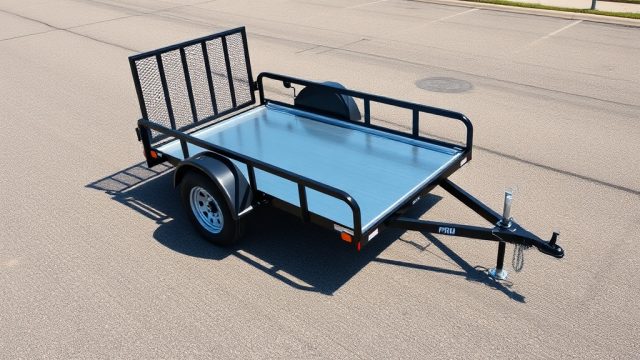
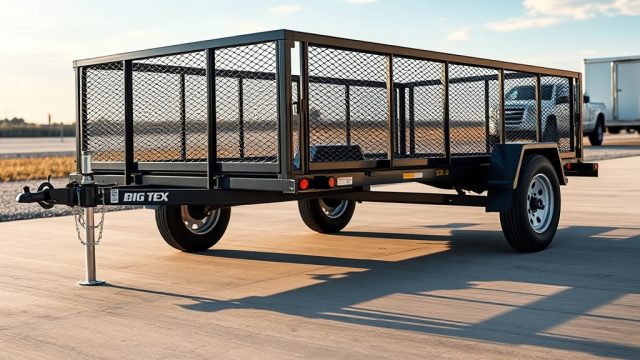
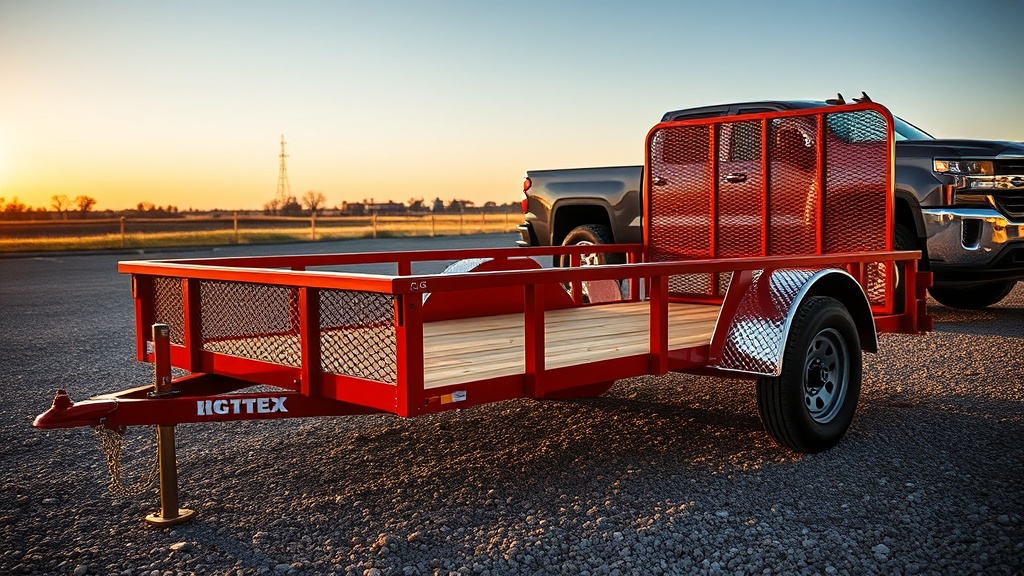
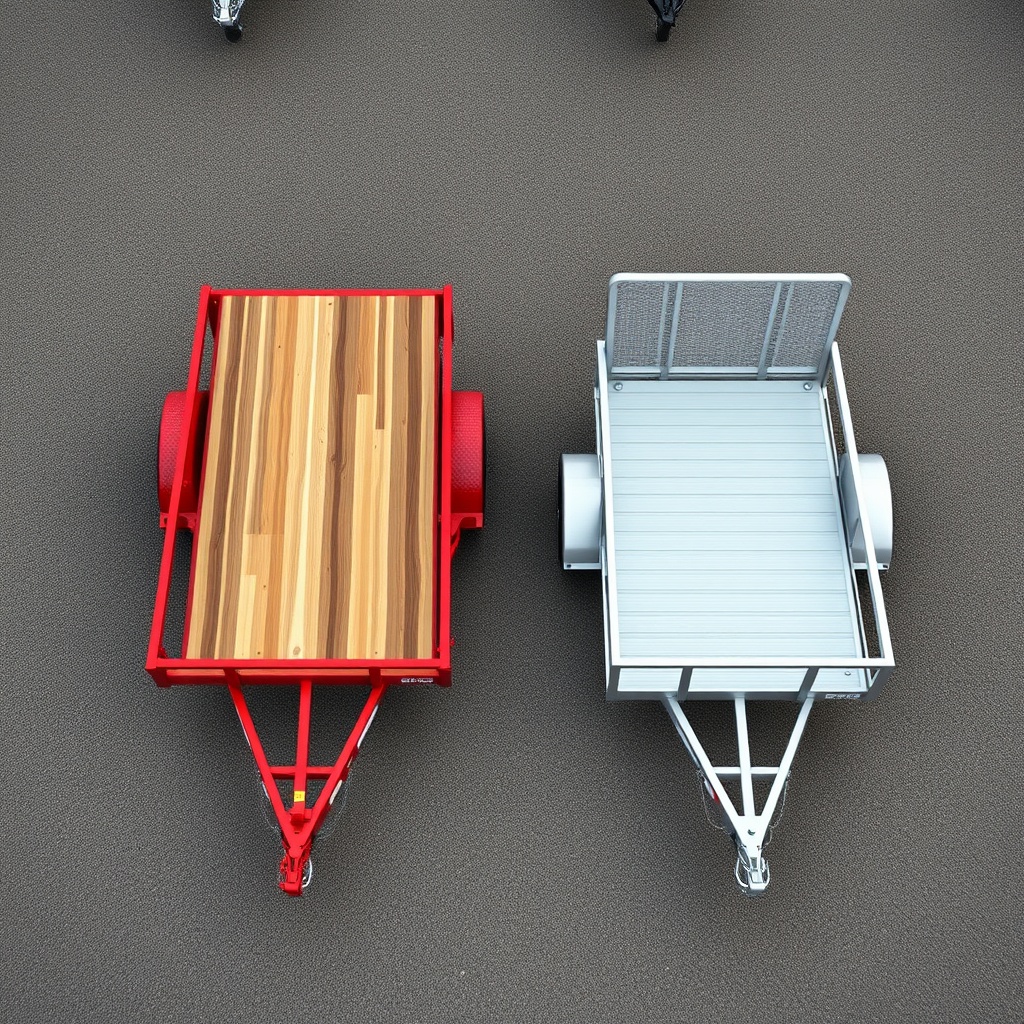
The most immediate difference is the overall length and deck configuration. The Big Tex 14SR is a 14-foot trailer, offering a 14-foot by 6-foot 10-inch deck, while the PJ Trailers 5×10 is, as the name implies, a 5-foot by 10-foot deck. That’s a significant 40% more deck space on the Big Tex. The Big Tex 14SR uses a 5-inch channel frame with a 2-inch tubular tongue, while the PJ Trailers 5×10 typically uses a 4-inch channel frame. The Big Tex’s heavier frame is noticeable when you’re loading dense materials like lumber packs or stone. The PJ, however, features a lower deck height—usually around 24 inches versus the Big Tex’s 28 inches—which makes hand-loading equipment like lawn tractors or small skid steers easier. The Big Tex also comes standard with a 2-5/6-inch treated pine floor, compared to the PJ’s 1-1/8-inch pressure-treated plywood. For hauling heavy, point loads (like a pallet of brick), the Big Tex’s thicker floor is a definite plus.
GVWR and Payload: How Much Can Each Trailer Actually Haul?
This is the headline comparison. The Big Tex 14SR, in its standard single-axle configuration, boasts a Gross Vehicle Weight Rating (GVWR) of 3,500 lbs with a payload capacity around 2,760 lbs (after accounting for the trailer’s own ~740-lb tare weight). The PJ Trailers 5×10, also typically a single-axle, has a GVWR of 2,990 lbs, with a payload of about 2,200 lbs. That extra 560 lbs of payload on the Big Tex is crucial if you’re regularly hauling a zero-turn mower plus attachments or a load of bagged concrete. However, you should note that the Big Tex’s GVWR can be optioned up to 7,000 lbs with a tandem axle, but we are comparing the base models here. For a deeper look at how GVWR affects your load planning, check our capacity breakdown.
Here’s a quick severity table to understand what each trailer handles best:
| Load Type | Big Tex 14SR (Usually Not Urgent) | PJ Trailers 5×10 (Needs Attention Soon) |
|---|---|---|
| Small ATV (400-600 lbs) | No issues; ample capacity. | Well within limits; fine. |
| Zero-Turn Mower (1,200 lbs) | Comfortable; room for extras. | At 55% capacity; margins are good. |
| Pallet of Concrete (3,200 lbs) | Exceeds GVWR (3,500); not recommended. Needs tandem option. | Exceeds GVWR (2,990); unsafe. Do not tow. |
| Tons of Gravel (2,000 lbs) | Handles it; use a tarp. | At 91% capacity; watch tongue weight. |
| Large Lawn Tractor with Attachments (1,800 lbs) | Comfortable; great for frequent trips. | At 82% capacity; acceptable for occasional use. |
How Does Towing Stability Compare Between the Big Tex 14SR and the PJ Trailers 5×10?
Towing stability is where the longer wheelbase of the Big Tex 14SR shines. The 14-foot deck creates a longer lever arm behind the tow vehicle, which naturally reduces pitch and yaw at highway speeds. The Big Tex’s standard 5-lug, 4.5-inch bolt pattern and 15-inch tires (ST205/75R15) also offer better heat dissipation and load capacity than the PJ’s typical 4-lug, 4.5-inch pattern with 14-inch tires (ST175/80R13). On the road, the Big Tex feels planted even when loaded near its GVWR, requiring less steering correction from the driver. The PJ Trailers 5×10, being shorter and lighter, can feel a bit more “twitchy” in crosswinds, especially when empty. However, the PJ’s shorter length is an advantage for tight maneuvering and storing in a standard garage. For the Big Tex, you’ll definitely want a properly rated hitch setup, which we review in detail here. Both trailers come with a standard 2-inch coupler, but the Big Tex’s heavier tongue weight (typically 300-400 lbs loaded) demands a solid weight-distributing hitch if your tow vehicle is light.
What Are the Standard Features and Build Quality Differences?
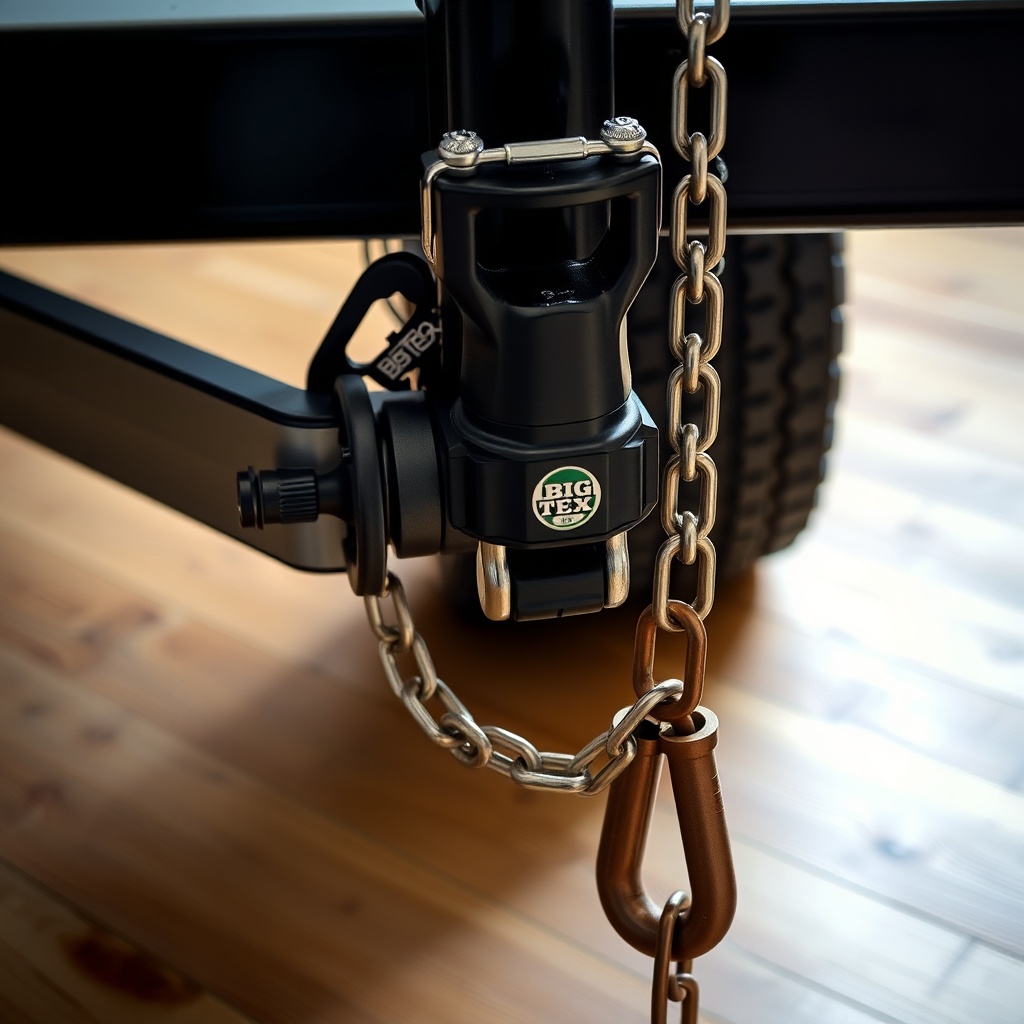
Both brands are well-regarded, but there are subtle differences. The Big Tex 14SR comes standard with a heavy-duty 2-inch by 2-inch tongue and a 3,500-lb axle with electric brakes (on the 14SR model). It also includes a safety chain bracket and a standard spare tire mount. The deck is diamond-plate steel with a 2×4 stake pockets all around—very handy for adding side panels. The PJ Trailers 5×10, while also well-built, typically ships with a basic 2-inch coupler, no brakes (you have to order the brake option), and a lighter-duty 2-1/2-inch tongue. Its deck is also diamond-plate, but the stake pockets are 2×2, which limits your choice of side extensions. Both use solid, continuous welding, but the Big Tex feels more substantial in its tie-down loops and gate hardware. One notable feature: the Big Tex 14SR includes a heavy-duty drop leg jack, whereas the PJ often comes with a side-wind jack that can be harder to crank when the trailer is loaded.
Price Comparison and Long-Term Value: Which One Costs More?
Pricing can fluctuate, but as of late 2025, the Big Tex 14SR typically retails between $2,800 and $3,400 USD (new), while the PJ Trailers 5×10 is usually priced between $2,200 and $2,800 USD. That’s roughly a $600 to $600 premium for the Big Tex. However, you’re getting a heavier frame, larger tires, longer deck, and heavier floor. For someone who uses a trailer weekly for landscaping or construction, the Big Tex’s extra payload and stability pay for themselves in fewer trips and less wear on the tow vehicle. The PJ Trailers 5×10 is a better “first trailer” or occasional-use option—it’s easier to store, and the lower price point is gentler on a hobbyist’s budget. Resale value tends to favor the Big Tex because of its reputation for longevity. A 5-year-old Big Tex 14SR in good condition often retains 65-70% of its new value, versus 50-55% for the PJ.
What Do Owners Say About These Two Trailers?
Big Tex 14SR owners consistently rave about the payload. A typical comment: “I regularly haul an 1,800-pound mini-excavator on my 14SR and it tows like a dream at 65 mph. The floor is thick enough that it doesn’t flex. My buddy’s 5×10 PJ felt like it was fighting me all the way.” Another owner notes the easy maintenance: “The treated pine floor is simple to replace if needed, but after three years of snow, salt, and mud, it’s still solid as a rock.”
PJ Trailers 5×10 owners highlight its compactness and value. One user says: “I needed something to haul my John Deere X738 and some fence posts. The 5×10 fits perfectly in my garage, and I don’t need a heavy-duty truck to tow it. My F-150 barely knows it’s there.” Another points out a common grip: “The factory jack is cheap. I upgraded to a Bulldog side-crank within a month. But for the price, you can’t beat it.” Both groups agree that powder-coated finishes are good, but the Big Tex’s thicker steel holds up better to rock chips over time. For a direct comparison with a larger competitor, see our Big Tex 14SR vs Wells Cargo 6×12 review.
Frequently Asked Questions
1. Can I fit a full-size ATV on both the Big Tex 14SR and the PJ Trailers 5×10?
Yes, a standard full-size ATV (like a Honda Rubicon) will fit on both. On the Big Tex 14SR, you have ample room for two ATVs side-by-side or one ATV plus gear. On the PJ 5×10, you’ll fit one ATV comfortably, but you’ll need to angle it to fit a second. The Big Tex’s extra length (14 feet vs 10 feet) is key for longer loads like kayaks or lumber.
2. Does the Big Tex 14SR require a special towing license?
In the US, for personal use, no special license is required if your combined Gross Vehicle Weight Rating (GVWR) of trailer and tow vehicle is under 26,000 lbs. Since the Big Tex 14SR (base) has a GVWR of 3,500 lbs, a standard driver’s license is fine. However, check your state laws for trailers over 3,000 lbs—some require trailer brakes. The Big Tex 14SR comes with electric brakes standard.
3. Can I use a PJ Trailers 5×10 for heavy construction debris?
Yes, for moderate loads. The PJ 5×10 has a payload of about 2,200 lbs, which is fine for debris like drywall, wood scraps, and shingles. However, avoid loading heavy concrete or large rocks beyond 1,500 lbs to keep a safety margin. The Big Tex’s heavier frame and floor are better suited for repeated heavy hauls.
4. What size ball do I need for the Big Tex 14SR coupler?
The Big Tex 14SR comes standard with a 2-inch coupler, so you need a 2-inch ball rated for 3,500 lbs or higher. The PJ Trailers 5×10 also uses a 2-inch coupler. Always match the ball to the coupler size and ensure the ball’s rated capacity exceeds the trailer’s GVWR. For a full guide, review our hitch setup guide.
5. Are parts for the Big Tex 14SR easy to find?
Yes, Big Tex is a major brand with nationwide dealer networks. Axles, bearings, and brakes are standard 3,500-lb components (5-lug). Tires are ST205/75R15, widely available. The treated pine floor can be replaced with standard lumber. PJ parts are also common, but the 4-lug hub on its 5×10 model is less common than the 5-lug pattern on the Big Tex.
6. Which is better for storing in a residential garage: Big Tex 14SR or PJ Trailers 5×10?
The PJ Trailers 5×10 wins here hands-down. Its 10-foot length fits in most standard 20-foot garages, even with the tongue folded (if equipped). The Big Tex 14SR is 16 feet long with the tongue, which won’t fit a typical single or double garage door depth (usually 20 feet, but you lose space for a workbench or car). For indoor storage, the PJ is the clear choice. For outdoor storage, the Big Tex’s heavier build handles weather better. If you need a buying plan, see our complete Big Tex 14SR buying guide.