Big Tex 14SR Utility Trailer: Complete Buying Guide
If you are in the market for a heavy-duty utility trailer that balances towing capacity with everyday practicality, the Big Tex 14SR stands out as a serious contender. This buying guide breaks down key specs, real-world performance, and common owner considerations to help you decide if it fits your hauling needs. From weight limits to hitch setup, we cover what matters most before you sign the paperwork.
What Payload and GVWR Can the Big Tex 14SR Handle?
The Big Tex 14SR is built around a 14-foot steel frame with a Gross Vehicle Weight Rating (GVWR) that typically ranges from 7,000 to 10,000 pounds depending on the specific configuration and axle count. Standard single-axle models come with a GVWR of 7,000 pounds, while tandem-axle options push that to 10,000 pounds. The payload figure—what you can actually load—is GVWR minus the trailer’s tare weight. For the 14SR, the trailer itself weighs between 1,400 and 2,200 pounds, leaving a usable payload of roughly 4,800 to 8,600 pounds. This makes it a strong choice for moving skid steers, pallets of material, or medium-sized equipment. Always check the manufacturer’s sticker on the trailer tongue to confirm the exact numbers for your unit. For a deeper dive, see our separate guide on Big Tex 14SR GVWR and Payload Capacity Explained.
Which Towing Hitch and Coupler Work Best?
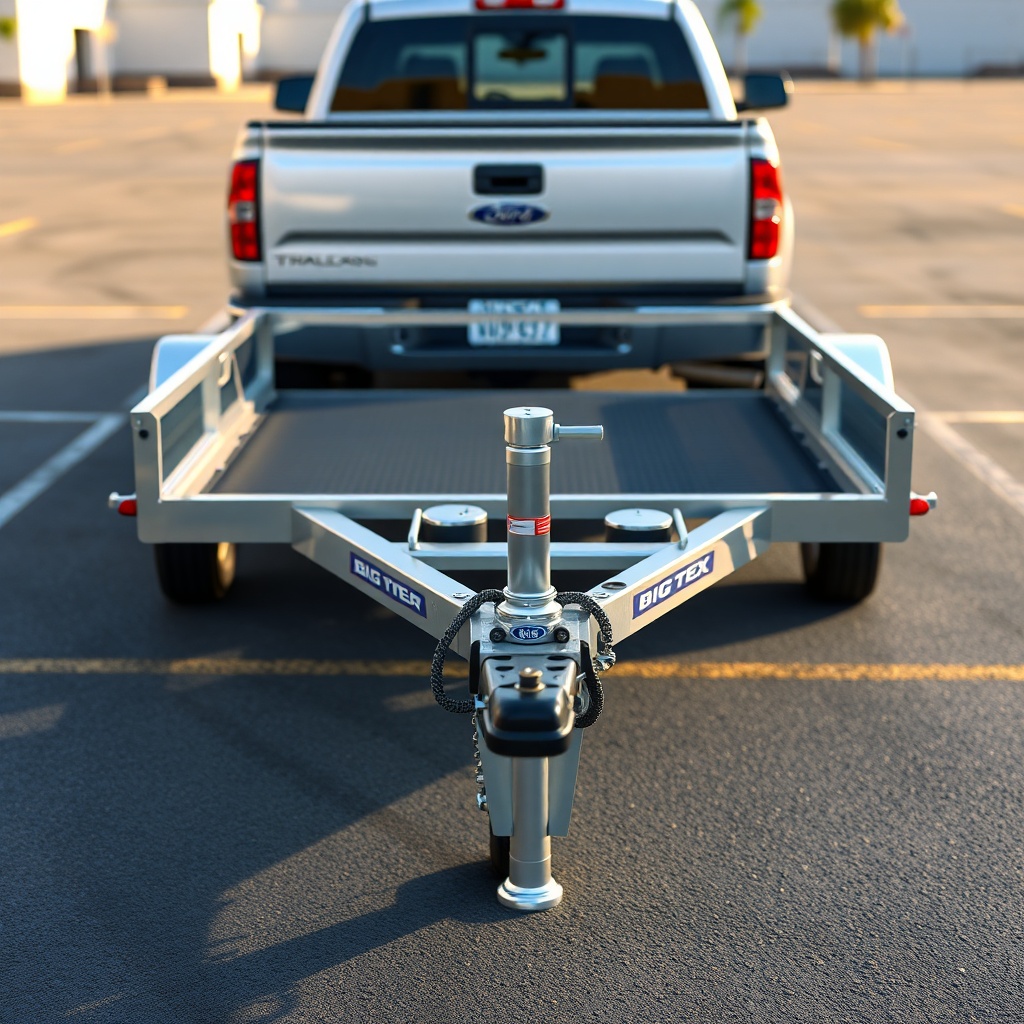
Matching the hitch to the 14SR’s capacity is critical for safety. The trailer ships with a standard 2-5/16-inch ball coupler rated for 10,000 pounds. For the lower GVWR single-axle models, a 2-inch ball rated at 7,500 pounds may suffice if your tow vehicle’s receiver can handle the load. However, for tandem-axle versions, you must use a 2-5/16-inch ball and a Class IV or V receiver—anything less risks coupler failure under heavy braking. Many owners upgrade to a weight-distributing hitch setup when pulling near max capacity with a half-ton truck. This helps level the ride and reduce front-end lift. Our detailed resource on Best Hitch Setup for Big Tex 14SR Trailers covers specific brands and installation tips.
How Does the Build Quality and Construction Hold Up?
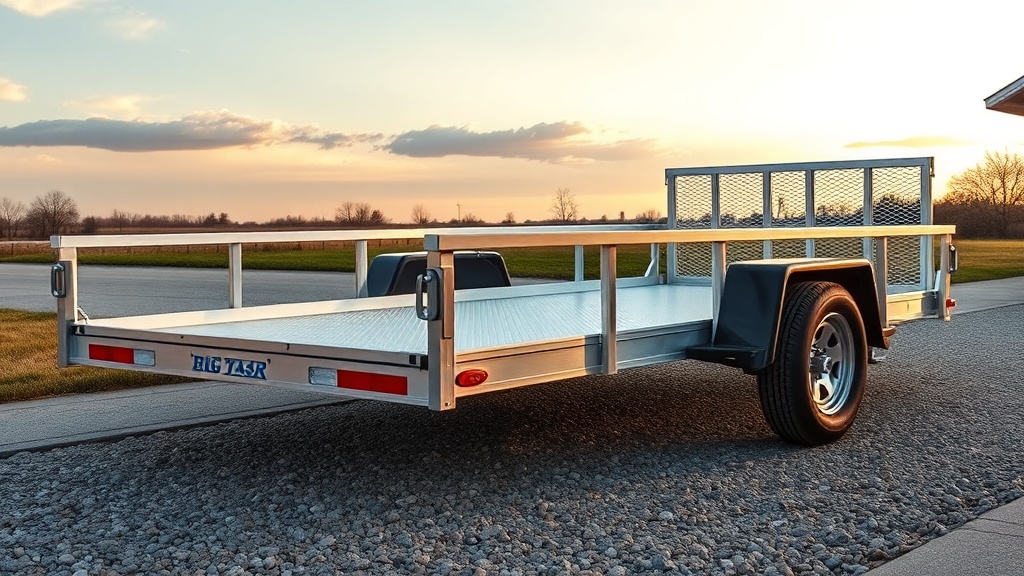
The 14SR features a diamond-plate steel floor, fully welded A-frame tongue, and a powder-coated finish that resists corrosion reasonably well in dry climates. The sidewalls are 2-inch square tubing spaced roughly every 16 inches, providing solid rigidity for moderate loads. Owners in coastal or snowy areas should note that the undercarriage is not galvanized, so annual rustproofing is advisable. The tires are typically ST205/75R15 on the single-axle models and ST225/75R15 on tandems, both load range D or E. Brake drums are standard on all wheels for tandem setups, while singles may only have brakes on one axle unless upgraded. Overall, the build quality matches the price point: it is not a premium all-aluminum trailer, but it is a workhorse that can handle daily abuse on construction sites and farms.
What Are the Differences Between the Big Tex 14SR and PJ Trailers?
When comparing the Big Tex 14SR to a PJ Trailers model of similar size—say the 5×10 or 6×12—the Big Tex generally offers a lower entry price (often $1,000 to $1,500 less) while still meeting basic payload requirements. PJ Trailers, however, uses thicker steel in the frame and a more robust powder-coat that tends to last longer in heavy rust zones. The 14SR’s tie-down points are welded D-rings every four feet along the sides, similar to PJ’s standard setup, but PJ includes stake pockets as standard, while Big Tex offers them as an option. For hauling tall loads, PJ’s slightly taller side rails (often 36 inches vs. 30 inches on the 14SR) give it an advantage. For a full breakdown, read Big Tex 14SR vs PJ Trailers 5×10: Comparison Review.
How Does It Compare to the Wells Cargo 6×12?
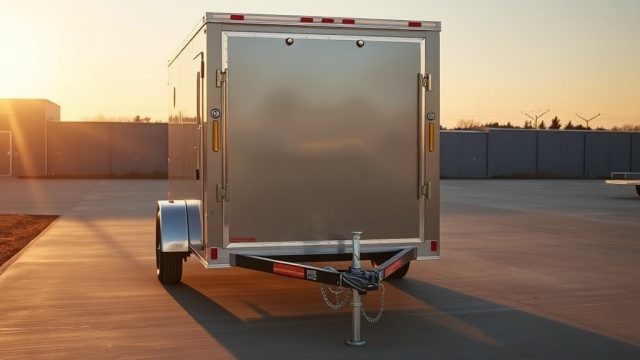
Comparing the Big Tex 14SR to a Wells Cargo 6×12 reveals different philosophies. Wells Cargo focuses on enclosed cargo trailers with wood or composite floors and fully enclosed sidewalls, while the 14SR is an open utility trailer. If you need weather protection for equipment or cargo, Wells Cargo wins. However, for open-air hauling of dirt, gravel, or machinery, the 14SR is far easier to load with a ramp and offers better ground clearance. The 14SR’s payload ceiling is also roughly 2,000 pounds higher than most Wells Cargo 6×12 models. Price-wise, the 14SR is significantly cheaper—usually $3,000 to $4,000 less at retail. You can review our side-by-side analysis in Big Tex 14SR vs Wells Cargo 6×12: Detailed Comparison.
What Maintenance Issues Should You Plan For?
Regular maintenance on the 14SR is straightforward but should not be ignored. Grease the bearing buddies every 2,000 miles or after submersion in water—this is the most common neglect area. Brake adjustment on electric drum brakes should be checked annually, especially if you tow in hilly terrain. Tire pressure for ST205/75R15 tires should hold 50 psi cold. The powder-coat scratches easily, so a touch-up spray or applying an oil-based undercoating every other year helps prevent rust pockets. Owners who store the trailer outdoors in humid regions often report surface rust on the spring hangers within 12 months. Annual inspection of welds around the hitch coupler and axle mounts is wise.
| Issue | Severity |
|---|---|
| Grease in bearing buddies low/dry | Needs attention soon |
| Surface rust on spring hangers | Usually not urgent |
| Brake adjustment uneven | Needs attention soon |
| Powder-coat chipping on fenders | Usually not urgent |
| Weld crack near coupler | Needs attention soon |
What Do Owners Say About the Big Tex 14SR?
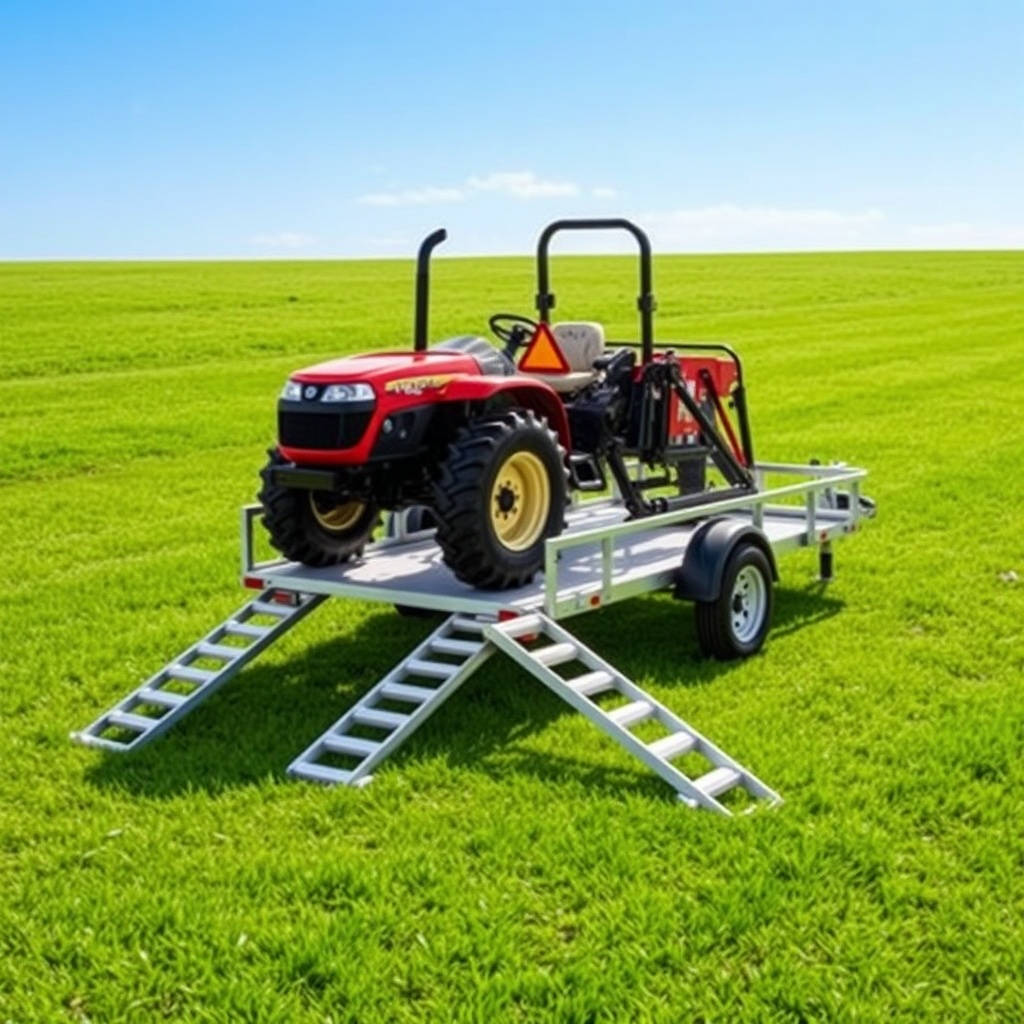
Longtime owner and contractor Mike R. from Ohio reports, “I’ve had my 14SR for three years pulling a mini excavator weekly. The frame holds up fine, but I had to replace the load range D tires within the first year after a blowout. I’d upgrade to E-rated from the start.” Another owner, Sarah T. from Texas, notes: “Loading a zero-turn mower is a breeze with the fold-down ramp. My only complaint is the tongue weight is a bit high when the trailer is empty—pin weight feels like 300 pounds. I use a weight-distributing hitch now.” A third, Dennis K. from Washington, says: “I sprayed the undercarriage with Fluid Film before winter and it looks new after two seasons. Highly recommend that step.”
Frequently Asked Questions
What is the total length of the Big Tex 14SR?
The deck length is 14 feet, but the overall length including the tongue is approximately 19 feet for single-axle models and 20 feet for tandem-axle versions. Always measure your garage or storage area beforehand.
Can I use a Big Tex 14SR for a camper conversion?
It is possible but not ideal. The open utility design allows full customization, but you’ll need to add side walls, insulation, and a roof. The payload after such conversion is limited, and the trailer lacks the built-in ventilation and insulation of purpose-built campers.
Does the Big Tex 14SR have a spare tire holder?
Yes, most models include a standard spare tire mount on the front A-frame tongue behind the coupler. Some entries come with a spare, but you should confirm with the dealer as it is sometimes optional.
What is the maximum tongue weight?
For a 7,000-pound GVWR model, tongue weight should be around 700 to 1,050 pounds (10-15% of loaded weight). For 10,000-pound units, tongue weight can reach 1,500 pounds. Always keep within your tow vehicle’s receiver rating.
Are electric brakes standard on the 14SR?
They are standard on tandem-axle models. Single-axle variants often come with brakes on one side only, but they can be upgraded to a full electric brake setup from the dealer. Check your local laws—some states require brakes on all axles above a certain weight.
How much does a new Big Tex 14SR cost?
Pricing in the U.S. generally starts around $3,500 to $4,500 for a basic single-axle model and ranges from $5,500 to $7,000 for a tandem-axle configuration with options like a ramp gate, stake pockets, and spare tire. Prices vary by dealer inventory and regional demand.