Finding the Right Hitch Setup for Your Big Tex 14SR
Getting the hitch right on your Big Tex 14SR trailer is the difference between a secure, predictable tow and a white-knuckle experience. With a GVWR ranging from 7,000 to 14,000 pounds depending on the specific variant, every component from the ball mount to the safety chains demands careful consideration. This guide breaks down the practical decisions for pairing a truck with a Big Tex 14SR, using real-world feedback and engineering specs.
What Size Ball and Coupler Does the Big Tex 14SR Use?
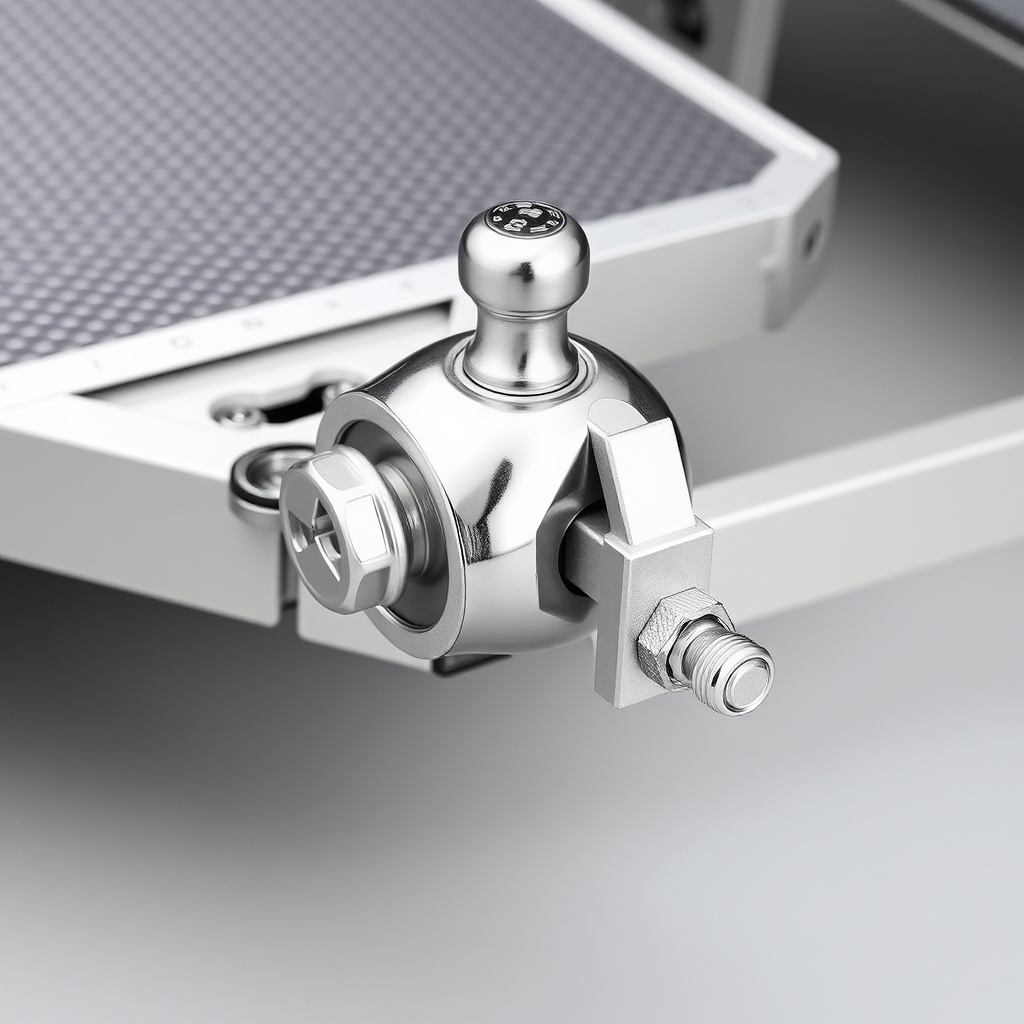
The Big Tex 14SR typically uses a 2-5/16-inch ball and coupler, not the smaller 2-inch size common on lighter trailers. This is because the gross vehicle weight rating (GVWR) of the 14SR can reach 14,000 pounds, and the 2-5/16-inch ball is rated for loads up to 30,000 pounds in standard Class V configurations. Always confirm the coupler rating stamped on the trailer’s tongue—most 14SR models have a forged or cast coupler rated for at least 10,000 pounds. Pairing a 2-5/16-inch coupler with a 2-inch ball is a dangerous mismatch, so double-check before connecting.
What Is the Right Drop or Rise for a Big Tex 14SR Hitch?
The correct ball mount drop ensures the trailer sits level when loaded. For a Big Tex 14SR with a 4-foot or 5-foot tongue, measure from the ground to the top of the coupler when the trailer is at its typical loaded height—usually 18 to 22 inches. Next, measure from the ground to the top of your truck’s receiver tube. The difference is the drop needed. If the truck receiver is at 20 inches and the trailer coupler is at 18 inches, you need a 2-inch drop. Most 2-5/16-inch ball mounts come in fixed drops of 2, 4, or 6 inches, or adjustable units that let you fine-tune. Using too much drop can drag the trailer’s tongue low, increasing rear-end load and sway risk. For towing a loaded Big Tex 14SR, an adjustable shank ($40 to $80) is a wise investment for dialing in the ride height.
Is a Weight-Distribution Hitch Necessary for a Big Tex 14SR?
Yes, for most Big Tex 14SR owners—especially when towing near the 14,000-pound GVWR or with a half-ton or light three-quarter-ton truck. Without weight distribution, the trailer’s tongue weight (typically 10-15% of total trailer weight) can lift the rear of the truck, reducing steering control and causing the front wheels to lose traction. A weight-distribution system like an Equal-i-zer or Reese Strait-Line adds spring bars that transfer load from the rear axle to the front axle and trailer axles. For a Big Tex 14SR loaded to 10,000 pounds, expect tongue weight around 1,200 pounds—well beyond the 500-pound limit for un-distributed towing with many half-ton trucks. If your combination feels “floaty” or sags more than 1.5 inches in the rear, a weight-distribution hitch is not optional.
| Condition | Action Needed |
|---|---|
| Truck rear drop under 1.5 inches with Big Tex 14SR loaded | Usually not urgent—truck may handle it with standard hitch |
| Truck rear drop over 2 inches or front wheel feels light | Needs attention soon—install weight-distribution hitch |
| Trailer sway at highway speeds over 55 mph | Needs attention soon—check hitch setup and add sway control |
| Ball mount rated below 10,000 pounds | Usually not urgent if under 8,000 lbs load, but upgrade for 14,000 lb GVWR |
What Sway Control Works Best for the Big Tex 14SR?
The Big Tex 14SR, with its tandem axle setup and longer length (up to 24 feet), is prone to sway if poorly loaded or hitched too loose. Friction-type sway controls, like the Reese 600-pound model, mount between the trailer tongue and the hitch and cost around $50. They work well for moderate loads but require periodic greasing and can wear out after a few seasons. For heavier loads, an integrated weight-distribution system with built-in sway control (like the Equal-i-zer 4-point system) is smoother. Another effective approach is a dual-cam sway control, which uses cams on the spring bars to resist rotation. For a Big Tex 14SR loaded to 12,000 pounds, these cam-style systems are far more reliable than friction-only units. If you tow in windy conditions or on two-lane roads, invest in a proper sway-control hitch setup.
What Are the Safety Chain Requirements for a Big Tex 14SR?
Safety chains are not just legal requirements—they are your last line of defense if the ball separates. The Big Tex 14SR’s tongue typically has two safety chain hooks rated for at least the trailer’s GVWR. For a 14,000-pound trailer, use Grade 70 chains with a working load limit of 6,000 pounds per chain (two chains combined exceed the requirement). Cross the chains under the tongue so they act as a cradle, not a straight pull. Attach them to the truck’s hitch loops—not the bumper. Standard length is 24 to 30 inches, but if your truck has a tall receiver, 36-inch chains may be needed to avoid binding. Always inspect chains for wear or kinks, especially after loading heavy machinery on the 14SR’s deck.
What Owners Say
Big Tex 14SR owners consistently report that getting the hitch right transforms the towing experience.
- “I tried a basic 2-5/16 ball with no weight distribution on my F-250. The truck squatted over 3 inches, and the front felt light. Once I added an Equal-i-zer system, the truck sat level and I forgot the trailer was behind me.”
- “My 14SR came with a 2-5/16 coupler, but my old hitch was 2-inch. First time I forgot, it wouldn’t latch—thankfully. Always double-check the ball size before heading to the scale.”
- “Sway was my biggest concern when hauling a tractor. I installed a friction sway bar, but it felt like fighting the trailer. I upgraded to a Reese dual-cam system, and now it tracks straight at 70 mph with no drama.”
Frequently Asked Questions
- Can I use a 2-inch ball on a Big Tex 14SR? No. The 14SR uses a 2-5/16-inch coupler. A 2-inch ball will not lock properly and poses a serious safety risk. Always match the ball to the coupler size.
- What is the maximum tongue weight for a Big Tex 14SR without weight distribution? Typically, around 500 to 600 pounds for most half-ton trucks. Since the 14SR’s tongue weight can exceed 1,200 pounds when loaded to full GVWR, weight distribution is necessary for safe towing.
- How do I check if my ball mount is rated for the Big Tex 14SR? Look for a stamped rating on the shank or ball mount. It should be rated for at least 14,000 pounds or more for the 14SR’s GVWR. Cheap ball mounts rated for 10,000 pounds are not sufficient.
- Should I use a fixed or adjustable hitch for my Big Tex 14SR? Adjustable is recommended because the 14SR’s loaded height varies with cargo. A $40 adjustable shank lets you fine-tune the drop, keeping the trailer level and reducing sway.
- Does the Big Tex 14SR include safety chains? Yes, but they are generally basic Grade 30 chains. For loads over 10,000 pounds, upgrade to Grade 70 chains for peace of mind and higher break strength.
- Can I use a stubby hitch on a Big Tex 14SR? Stubby hitches (shorter shanks) are designed for clearance on lowered trucks. For the 14SR, a standard-length shank (6 to 8 inches) is better to ensure the ball sits far enough from the receiver to avoid contact with the trailer’s tongue.
For a detailed look at specs before you choose, read the Big Tex 14SR Utility Trailer: Complete Buying Guide. Understanding the Big Tex 14SR GVWR and Payload Capacity Explained will help you match the right hitch rating. To compare options, see our Big Tex 14SR vs PJ Trailers 5×10: Comparison Review and the Big Tex 14SR vs Wells Cargo 6×12: Detailed Comparison.