Big Tex 14SR GVWR and Payload Capacity Explained
Understanding the weight ratings of your Big Tex 14SR is essential for safe towing and avoiding overloading fines. This guide breaks down the Gross Vehicle Weight Rating (GVWR), payload capacity, and how they apply specifically to the 14SR model.
We’ll cover the differences between the 3,500-lb and 5,200-lb axle options, how to calculate usable payload, and what real-world owners experience when loading their trailers.
What Is the Big Tex 14SR’s GVWR?
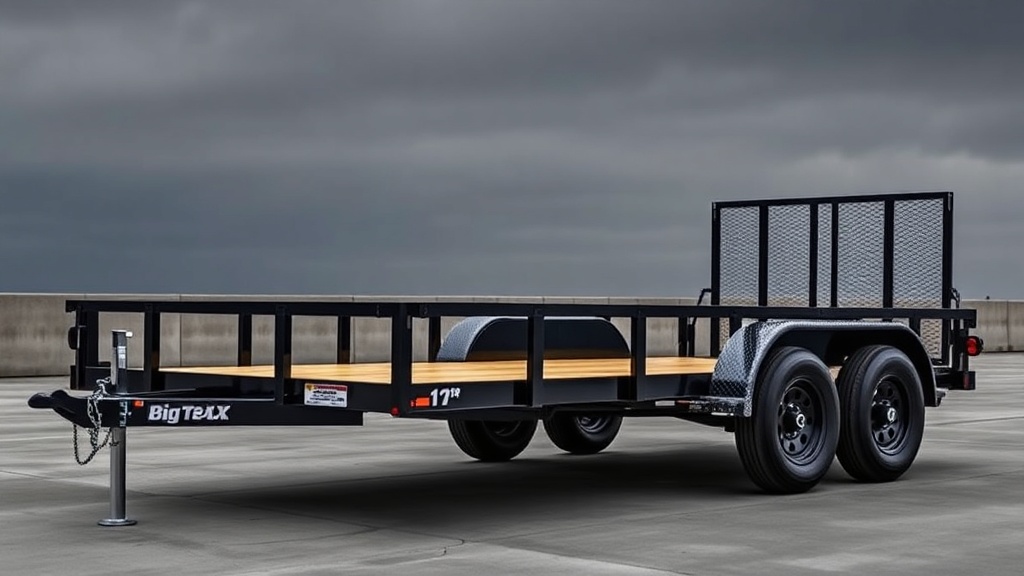
The Big Tex 14SR’s GVWR depends on the axle configuration you select. The standard single-axle model comes with a 3,500-lb GVWR, while the optional tandem-axle upgrade bumps this to 5,200 lbs. Note that the GVWR includes the trailer’s own weight (the curb weight) plus the maximum payload you can carry. For the 14SR, the empty trailer weight typically ranges from 1,100 to 1,400 lbs depending on options like a full-size gate or side rails.
- Single-axle 14SR: GVWR 3,500 lbs – best for light-duty loads like ATVs, lawn equipment, or furniture.
- Tandem-axle 14SR: GVWR 5,200 lbs – suited for heavier cargo like small vehicles, aggregates, or construction materials.
Always check the manufacturer’s placard on the trailer frame for the exact GVWR for your unit, as options like a spare tire mount or extended tongue can slightly alter the numbers.
How Much Payload Can the Big Tex 14SR Actually Carry?
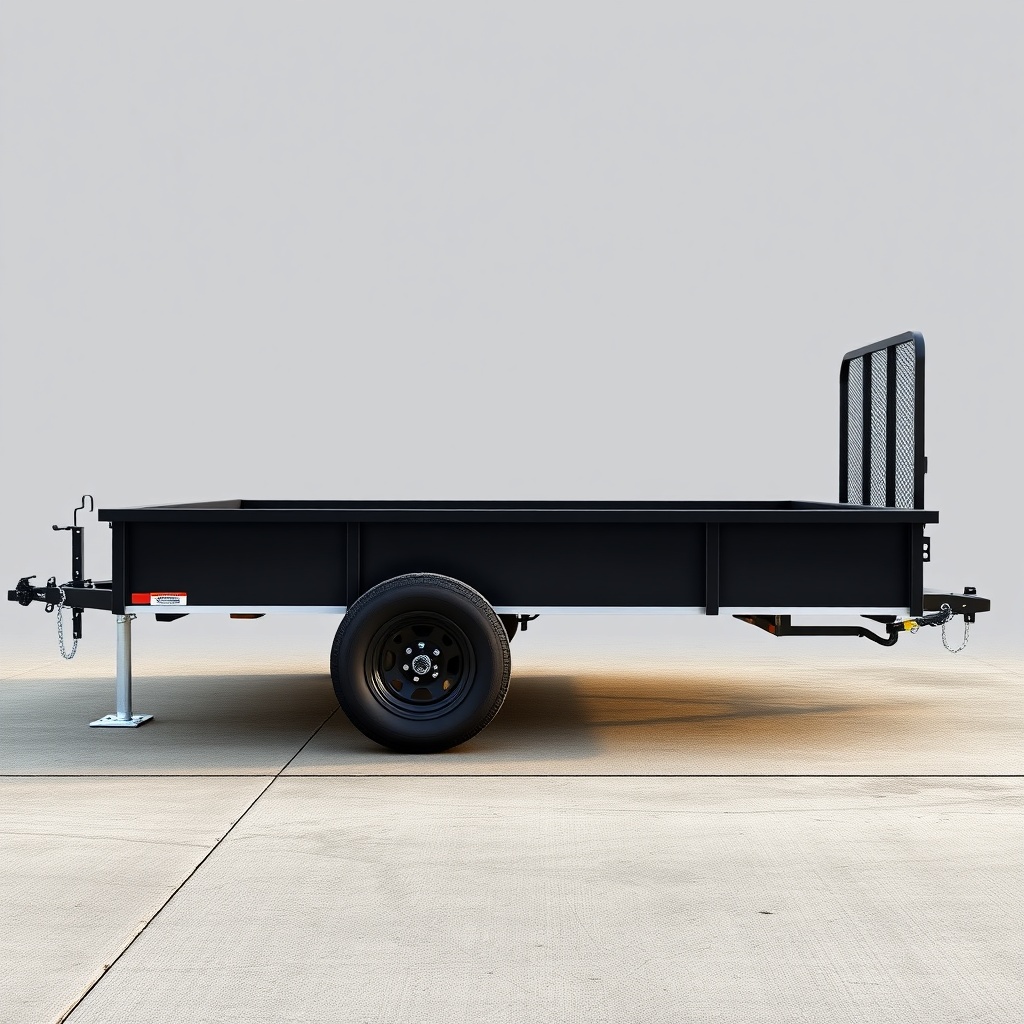
Payload is the difference between GVWR and the trailer’s empty weight. For a standard 14SR with a 3,500-lb GVWR and an estimated 1,200-lb curb weight, the maximum payload is roughly 2,300 lbs. However, this number can shrink with added options. For example:
- Adding a 3-foot mesh gate (approx. 60 lbs) reduces payload to ~2,240 lbs.
- Opting for a fold-down gate (approx. 90 lbs) leaves ~2,210 lbs.
- Including side rails (approx. 100 lbs) further cuts payload to ~2,110 lbs.
With the tandem-axle upgrade (GVWR 5,200 lbs, curb weight ~1,400 lbs), payload jumps to roughly 3,800 lbs. That’s enough for a midsize car, several pallets of bricks, or a large stack of lumber.
For a practical breakdown of how these numbers affect your purchasing decisions, see our Big Tex 14SR Utility Trailer: Complete Buying Guide.
What Determines the 14SR’s Payload Capacity?
Several factors influence the final payload number on your specific trailer:
Axle Rating
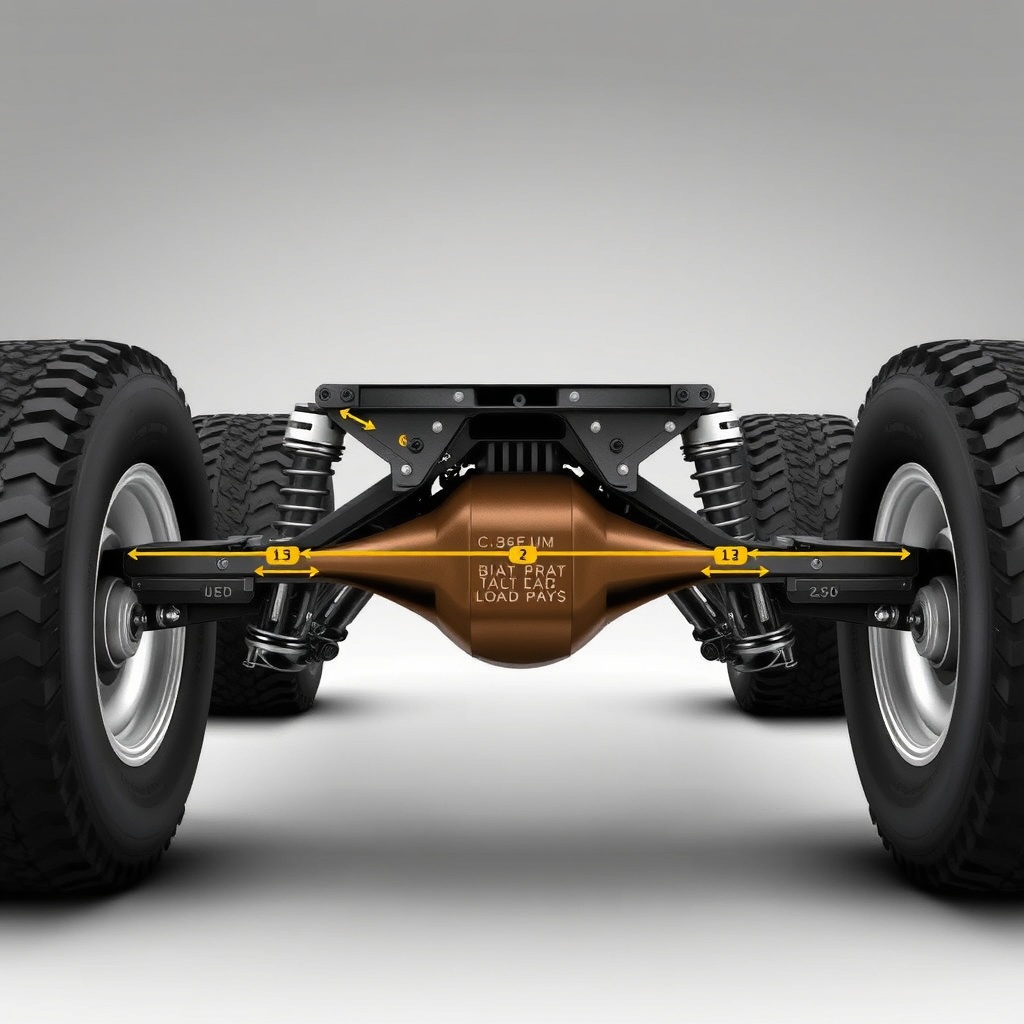
The axle is the primary limiting component. A single 3,500-lb axle can support a maximum of 3,500 lbs total trailer weight, including the trailer itself. With the tandem setup, two 2,600-lb axles combine for 5,200 lbs. You cannot safely exceed the axle rating, even if the tires or frame seem capable.
Tire Load Capacity
Stock tires on the 14SR are usually 205/75D15 load range C (1,820 lbs each at 50 psi). Four tires on a tandem provide up to 7,280 lbs of capacity, but the axle and frame limit the GVWR. For more details on choosing the right tires, check the Best Hitch Setup for Big Tex 14SR Trailers.
Tongue Weight
The 14SR’s tongue weight should be 10-15% of the loaded trailer weight. For a 3,500-lb load, that’s 350-525 lbs on the hitch. Exceeding this stresses the coupler and tow vehicle. The coupler rating is typically 2,000 lbs (Class 3 hitch required).
How Does Payload Affect Towing Safety?
Overloading a 14SR can lead to dangerous sway, reduced braking, and increased wear on the tow vehicle. At the full 3,500-lb GVWR with a single axle, you’ll need a 2″ ball hitch and a Class 3 receiver (minimum 3,500-lb towing capacity). For the tandem model at 5,200 lbs, a higher-rated hitch ball and possibly a weight-distribution system might be required for larger tow vehicles.
Recall that payload includes not just the cargo but also any added accessories like spare tires, toolboxes, or even extra fuel cans. A common mistake is forgetting to subtract the weight of the trailer’s own options. For example, a spare tire mount adds about 35-40 lbs, and a full floor deck made from 3/4″ plywood can add 80-100 lbs.
For a comparison of how the 14SR stacks up against other models, read our Big Tex 14SR vs PJ Trailers 5×10: Comparison Review to see how payload varies between brands.
Big Tex 14SR GVWR vs. Payload: Spec Comparison Table
| Configuration | GVWR (lbs) | Curb Weight (typical, lbs) | Payload (max, lbs) | Severity of Overload Risk |
|---|---|---|---|---|
| Single-axle, standard gate | 3,500 | 1,200 | 2,300 | Needs attention soon – possible sway, tire overload |
| Single-axle, fold-down gate | 3,500 | 1,290 | 2,210 | Needs attention soon |
| Single-axle, full side rails | 3,500 | 1,300 | 2,200 | Needs attention soon |
| Tandem-axle, standard gate | 5,200 | 1,400 | 3,800 | Usually not urgent – within safe margins |
| Tandem-axle, fold-down gate | 5,200 | 1,490 | 3,710 | Usually not urgent |
Note: The “Severity” column reflects the likelihood of accidental overload given typical usage. Tandem axles provide a wider safety margin.
What Owners Say About Big Tex 14SR Payload
Owner feedback highlights a few key points about the 14SR’s weight capacities:
- “I haul a Polaris Ranger on my single-axle 14SR. It weighs about 1,800 lbs with a few accessories. Leaves me 500 lbs for tools—just enough for the job. Tow vehicle handles it fine with a 2″ ball.” – Mike T., Texas (verified owner on TrailerGuide forums).
- “I upgraded to the tandem axle for weekend dirt bike trips. Two big bikes plus gear is around 1,200 lbs—well under the 3,800-lb payload. Even then, I had to get a Class 4 hitch for my F-150; the factory class 3 was borderline for tongue weight with the spare tire.” – Sarah L., Colorado.
- “I overloaded mine once with wet mulch—probably close to 3,000 lbs. The tires bulged and I had noticeable sway above 55 mph. Check your plates. The 14SR’s frame is tough, but the axle is the tipping point.” – James R., Pennsylvania.
These stories underline the importance of knowing your exact payload before hitting the road. For more owner insights, you can see how the 14SR compares with a larger competitor in our Big Tex 14SR vs Wells Cargo 6×12: Detailed Comparison.