Understanding the Wells Cargo 6×12 Payload and Weight Distribution
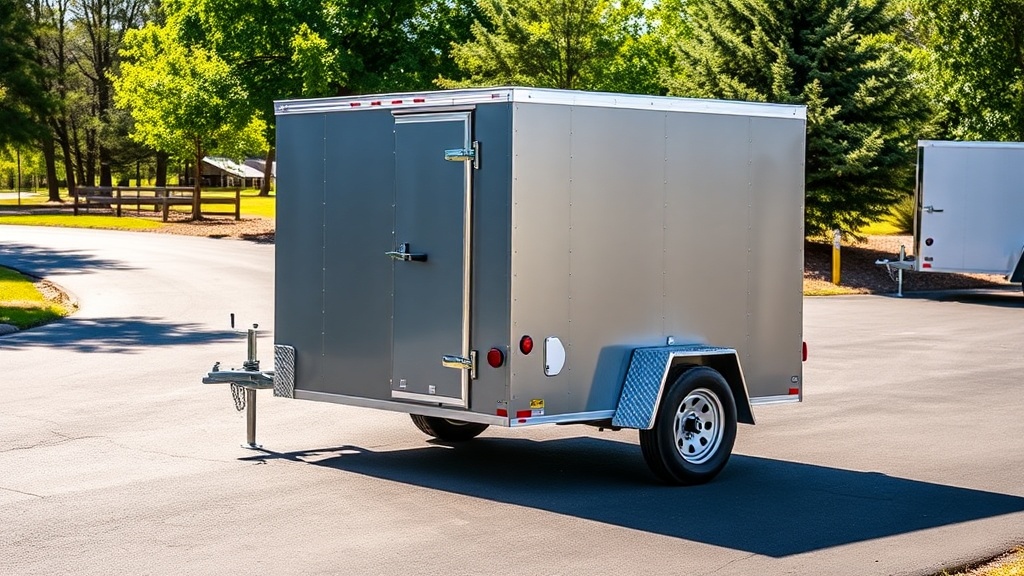
When you’re hauling gear, whether it’s for work or weekend adventures, knowing the payload capacity and how to balance a load is as critical as the trailer itself. For the Wells Cargo 6×12, a popular enclosed trailer, the numbers are precise and the consequences of getting distribution wrong can be costly. This guide breaks down the weight limits, floor loading, and best practices for keeping your trailer stable and legal.
What Is the Actual Payload Capacity of a Wells Cargo 6×12?
The payload capacity depends on the specific model and its GVWR (Gross Vehicle Weight Rating). Most standard Wells Cargo 6×12 trailers have an empty weight of roughly 1,800 to 2,200 lbs. With a common GVWR of 3,000 to 3,500 lbs, you’re looking at a usable payload of about 800 to 1,700 lbs. However, models equipped with a heavier-duty axle and upgraded suspension can reach a GVWR of 3,990 lbs, providing a payload of up to 1,900 lbs. Always check the manufacturer’s sticker on the tongue jamb—never exceed that rating.
Consider the weight of accessories you may add: spare tire, ramp door, cabinets, or E-track. Those items subtract from your cargo capacity. Many owners mistakenly think they can load to the trailer’s full volume, but the 6×12’s 72 cubic feet of space can easily hold more weight than the axle is rated for.
How Does Weight Distribution Affect Towing Stability?
A poorly balanced load on a Wells Cargo 6×12 can cause severe sway, especially at highway speeds or in crosswinds. Ideally, you want 60 to 65% of the total cargo weight in the front half of the trailer, and 10 to 15% of the trailer’s total weight on the tongue. For a fully loaded 3,500-lb trailer, that means around 350 to 525 lbs on the hitch. If the tongue weight is too light, the trailer may fishtail; too heavy, and your tow vehicle’s steering and braking suffer.
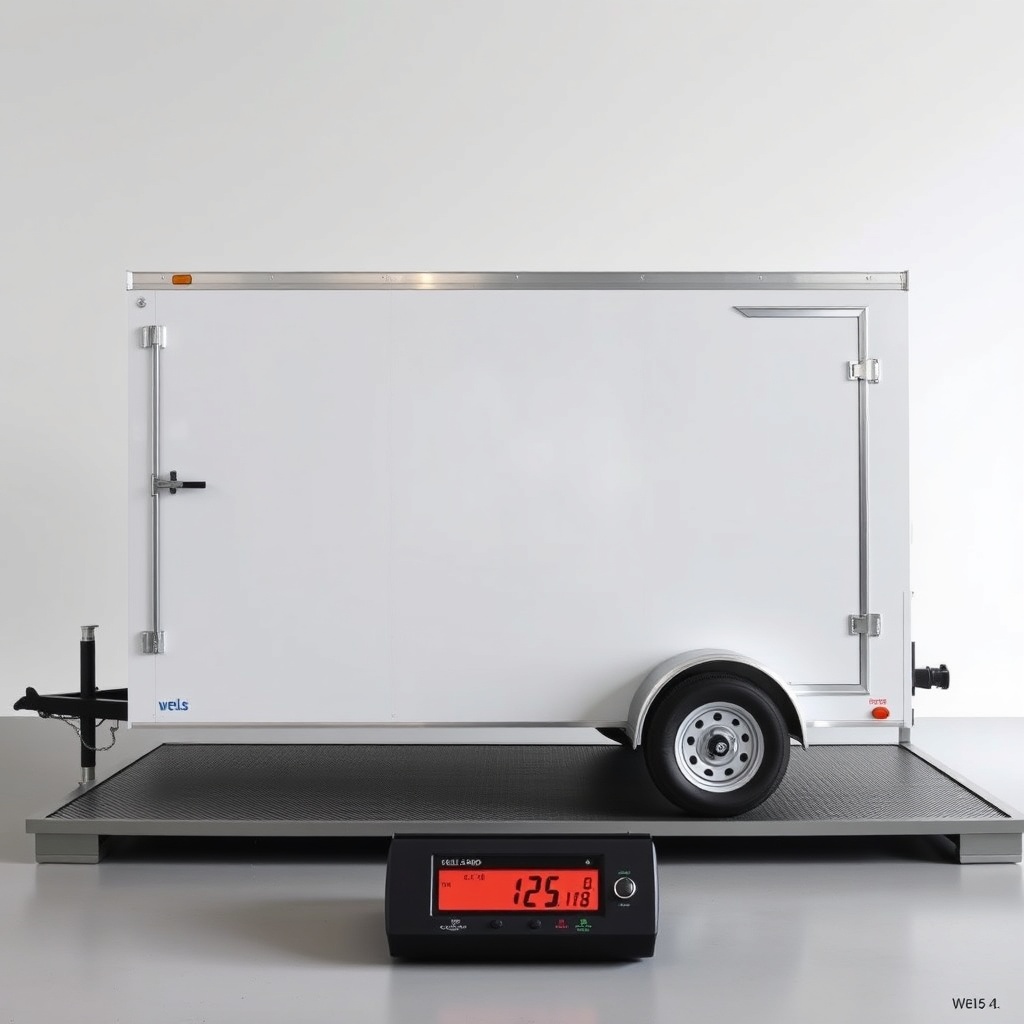
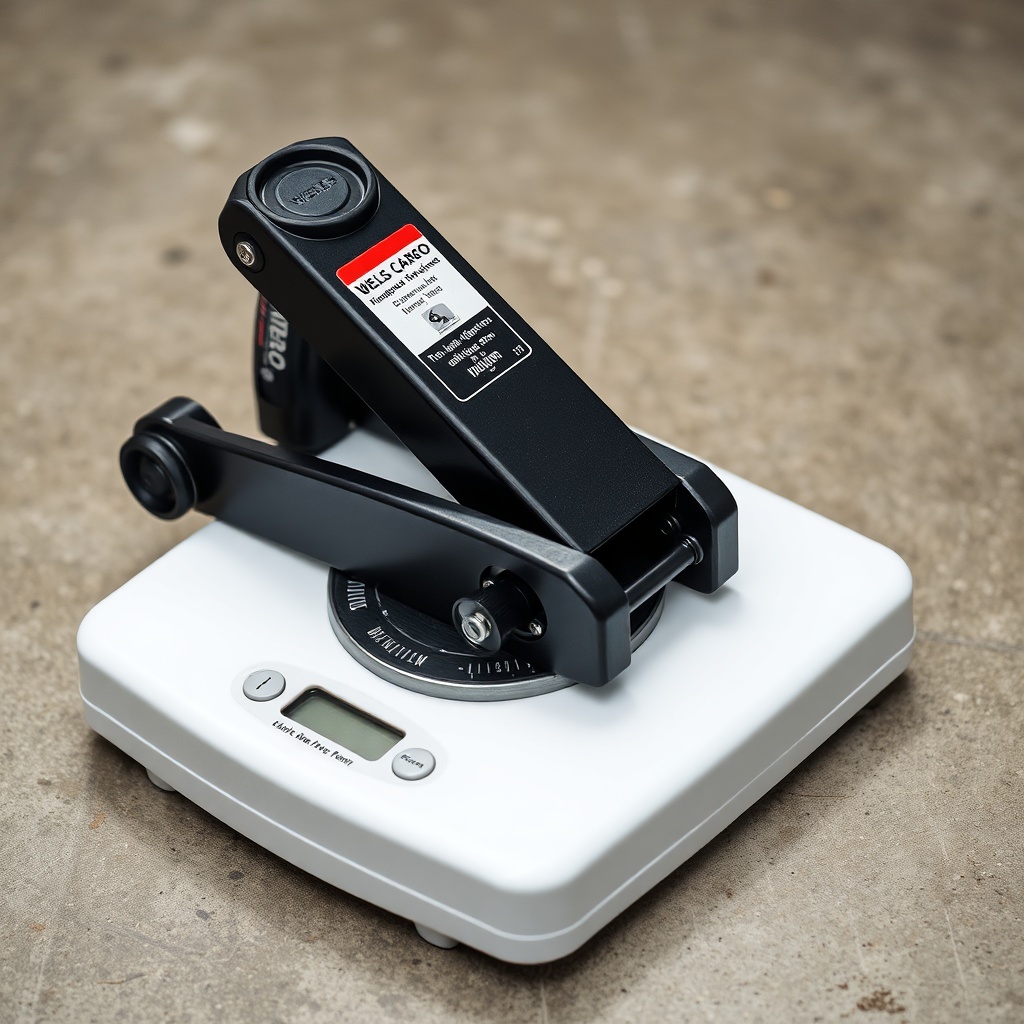
Measurements matter. Use a tongue weight scale or a simple bathroom scale with a block-and-pipe method. Place heavy items like tools, camping gear, or equipment over the axles and slightly forward, not all at the back. The 6×12’s floor is typically rated for 500 lbs per square foot, so you can concentrate weight without worrying about collapse—but spread it out to avoid axle overload.
| Severity Level | Condition | Example Scenario |
|---|---|---|
| Usually not urgent | Tongue weight between 10-15% of total GVWR; cargo centered over axle | Four 200-lb sandbags stacked forward of the axle line |
| Needs attention soon | Tongue weight under 8% or over 18%; cargo piled rear-heavy | A single 900-lb ATV loaded with all weight behind the axle |
What Is the Per-Axle Load Limit on This Trailer?
The Wells Cargo 6×12 typically rides on a single 3,500-lb axle with leaf springs. That axle can carry a maximum of 3,500 lbs, but the axle rating is not the same as the trailer’s GVWR—it’s the limit for that specific component. The tires, wheels, and hitch are rated lower. The standard tires are often 205/75R15 load range C, rated for 1,820 lbs each at 50 psi. With two tires, that gives 3,640 lbs of tire capacity, which must not be exceeded. The tongue jack and coupler are usually rated to 2,000 lbs.
When loading, you cannot exceed any single component’s rating. For example, if you put 2,000 lbs on the rear half and only 500 lbs on the tongue, the axle could see 2,500 lbs (fine), but the rear tires may be overloaded if the load shifts. Weigh each axle separately at a certified scale. A CAT scale typically costs around $13 and gives three weight points: steer, drive, and trailer axle. Use the trailer axle reading to ensure you’re within the 3,500-lb limit.
How Do You Calculate Tongue Weight for This Trailer?
Tongue weight is ideally 10-15% of the loaded trailer’s gross weight. For a Wells Cargo 6×12 with a GVWR of 3,500 lbs, that equals 350–525 lbs on the hitch. The empty tongue weight is typically around 150–200 lbs for a standard model. After loading, measure by placing the tongue jack on a bathroom scale (using a block to level). If the scale shows 400 lbs with a full load, you’re in the sweet spot.
If it’s too low, shift cargo forward—but avoid moving anything so far forward that the tongue weight exceeds 525 lbs. That can overload the coupler or the tow vehicle’s rear axle. If it’s too high, slide heavy items slightly back. Always re-weigh after adjustments because even a shift of 12 inches can change tongue weight by 50-100 lbs.
What Are the Floor Loading Limits and How Do They Matter?
The 6×12’s floor is typically made of 3/4-inch plywood with a coating or aluminum diamond plate. The manufacturer rates the floor for a uniform load of 125 to 150 lbs per square foot. That means a small area (like under a motorcycle stand) can support a high point load, but spreading heavy items will prevent damage. Example: A 600-lb machine sitting on four 4-inch by 4-inch pads (total 16 sq in) exerts 37.5 psi—far over the 0.8 psi uniform rating. But because the floor is plywood over metal crossmembers, it can handle concentrated loads as long as the crossmembers (usually 16-inch centers) are directly below.
Never assume a single heavy object won’t ruin the floor. Use 4×4 timbers or load-spreading boards under the jack stands or stabilizer jacks. Many owners install a sheet of 3/4-inch marine plywood over the existing floor for added peace of mind when hauling heavy tools or machinery.
How Does Adding a Spare Tire or Storage Accessories Affect Payload?
Every accessory you add subtracts directly from the available payload. A spare tire mounted on the rear door adds 30–50 lbs. A side-mount toolbox with tools adds 50–100 lbs. Shelving, cabinets, or a winch mount can add another 100–200 lbs. On a 1,200-lb payload trailer, those items might consume 200 lbs—leaving only 1,000 lbs for cargo. Plan accordingly.
For more on maximizing interior space while managing weight, read our Wells Cargo 6×12 Utility Trailer: What to Know Before Buying. Also, ensure your wiring and lights are secure as weight shifts can strain connections—check our Wells Cargo 6×12 Lighting and Wiring Troubleshooting guide for tips.
What Owners Say
Long-time owner Marcy from Colorado: “I haul two dirt bikes plus camping gear in my 6×12. Once I loaded too much weight behind the axle and got dangerous sway at 60 mph. Moving the fuel cans forward solved it. Now I always use a tongue weight scale.”
Veteran hauler Jim from Texas: “Payload is fine for furniture moving but not for solid concrete blocks. I overloaded the axle once and popped a tire. Stick to the sticker. I also added a second battery box up front to shift weight forward—bonus for running lights off-grid.”
Frequently Asked Questions
Can I tow a fully loaded Wells Cargo 6×12 with a midsize SUV?
With a 3,500-lb GVWR, many midsize SUVs like the Ford Explorer or Toyota 4Runner can pull it if properly equipped. The tow vehicle must have a minimum 4,000-lb towing capacity and a Class III hitch. Always check the owner’s manual for the specific model year.
Where can I find the payload sticker on my 6×12?
The Federal certification label is typically located on the tongue jamb or the interior sidewall near the door. It lists the GVWR, GAWR, and tire pressure specs. Never remove or paint over it.
Do I need a weight distribution hitch for this trailer?
Not typically, because the tongue weight is within the 350–525 lb range. However, if you notice sag in your tow vehicle’s rear suspension or experience sway, a weight-distribution hitch can help. Use one rated for at least 3,500 lbs.
Can I use a 2-inch ball on a Wells Cargo 6×12?
Yes, the standard coupler is a 2-inch ball rated for 3,500 lbs. Ensure the ball is the correct size and torqued to 250 ft-lbs. Do not use a 1-7/8-inch ball, as it won’t seat properly.
What happens if I exceed the GVWR by 300 lbs?
Exceeding GVWR is illegal and dangerous. It can cause brake failure, tire blowouts, bearing damage, and lane instability. Insurance may not cover accidents. Load to 90% of GVWR for a safety margin.
How often should I weigh the loaded trailer?
Weigh your trailer at least once per season or after adding new accessories. Each time you load differently, a quick trip to a CAT scale ($13) gives peace of mind. Adjust weight distribution based on readings.