How to Maintain and Rust-Proof Your PJ Trailers 5×10
Owning a PJ Trailers 5×10 means you’ve invested in a rugged workhorse built for hauling equipment, landscaping materials, or recreational gear. But even the best steel trailers need regular maintenance to fight off corrosion, especially if you’re in wet or salt-prone areas. This guide walks you through proven steps to keep your trailer’s frame, floor, and components rust-free for years.
What Are the Common Rust Hotspots on a PJ Trailers 5×10?
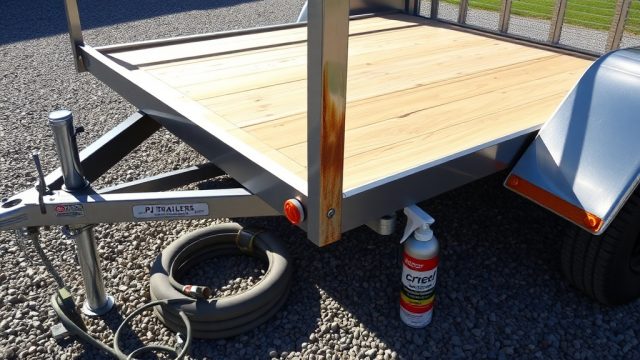
The PJ Trailers 5×10 uses a steel frame and a treated wood or diamond plate floor, depending on your model. Rust typically starts where moisture collects: underneath the fenders, along the weld seams on the tongue, and at the edges of the crossmembers. The axle mounting brackets and spring hangers are also vulnerable because they trap road salt and mud. Check these spots after every trip, especially if you’ve driven on salted roads. Use a pressure washer to blast away debris, then let the trailer dry completely before applying any protective coatings.
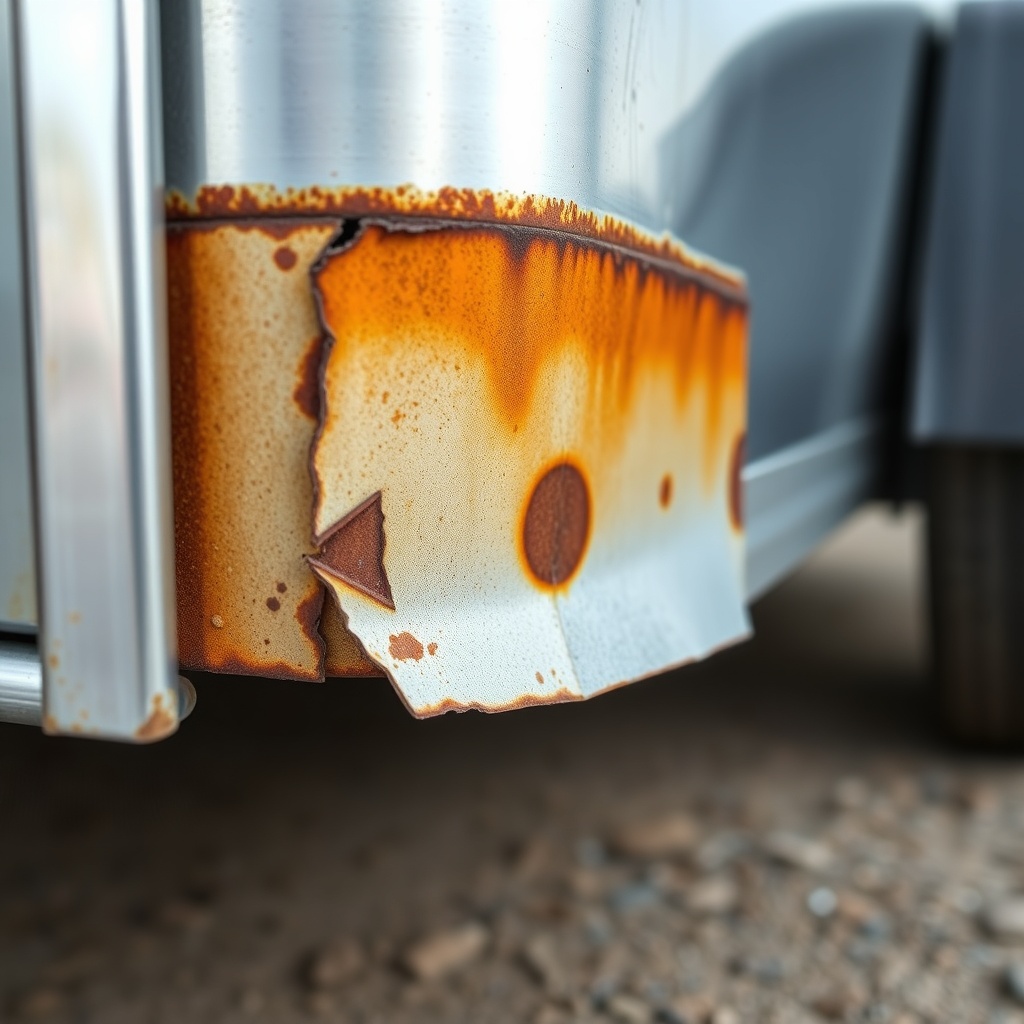
For the wood floor models, inspect the bolt heads and the metal strips along the sides. Even with pressure-treated lumber, water can seep into the bolt holes and corrode the steel from the inside out. A flashlight and a mirror on a stick help you see into tight spaces without crawling completely underneath. If you notice flaking paint or orange spots, that’s the early stage of rust—address it immediately with a wire brush and rust converter.
How Often Should You Inspect the Undercarriage?
For the PJ Trailers 5×10, a full undercarriage inspection every three months is the baseline if you store it in a dry garage. If you keep it outdoors or near the coast, bump that to once a month. After each winter season or a long road trip, do a deeper look. Focus on the leaf springs, U-bolts, and the coupler—these components handle the most stress and are often the first to show rust because the paint gets chipped by gravel.
Make a checklist: check the tire air pressure and look for dry rot on the sidewalls; inspect the brake lines (if equipped with electric brakes) for cracking; and test the lights to ensure the wiring connections aren’t corroded. A simple way to track this is to snap a photo of each wheel well before and after trips—you’ll spot changes faster. If you find surface rust that hasn’t pitted the metal, you can sand it down and repaint with an enamel spray rated for trailers. For deeper rust, consider replacing the affected part because it compromises structural integrity.
Which Rust-Proofing Methods Work Best for Steel Trailers?
There are several effective strategies, but they depend on your climate and how often you use the trailer. For the PJ Trailers 5×10, fluid film or lanolin-based sprays are popular because they creep into seams and don’t dry out completely, so they remain flexible. Apply them in a thin coat to the undercarriage, axle tubes, and spring packs twice a year—once before winter and once in early summer. Avoid thick asphalt-based undercoatings because they can trap moisture if they crack.
For the metal floor models, you can also use a marine-grade wax on the diamond plate surface after cleaning. This creates a barrier against road salt and rain. If you’re in a coastal area, consider adding stainless steel hardware (bolts, washers, and hitch pins) to replace standard zinc-plated fasteners that corrode quickly. Another option is to install mud flaps to reduce the amount of grit thrown onto the trailer’s underside. Brands like Corroseal or Rust-Oleum’s rust reformer are good for touch-ups on bare metal spots. Always wear gloves and a mask when applying these chemicals.
| Protection Method | Best For | Longevity | Cost (USD) |
|---|---|---|---|
| Fluid Film spray (lanolin) | Undercarriage, seams, springs | 6–12 months | $10–$20 per can |
| Marine-grade wax | Diamond plate floor, fenders | 3–6 months | $15–$30 per bottle |
| Rust converter (e.g., Corroseal) | Spot repairs on bare steel | Permanent with top coat | $25–$40 per quart |
| Stainless steel hardware | Bolt replacements, hitch components | Life of trailer | $0.50–$3 per piece |
| Mud flaps | Preventing grit buildup on underside | 2–5 years | $20–$50 per set |
How to Clean and Protect the Wood Floor on a PJ Trailers 5×10?
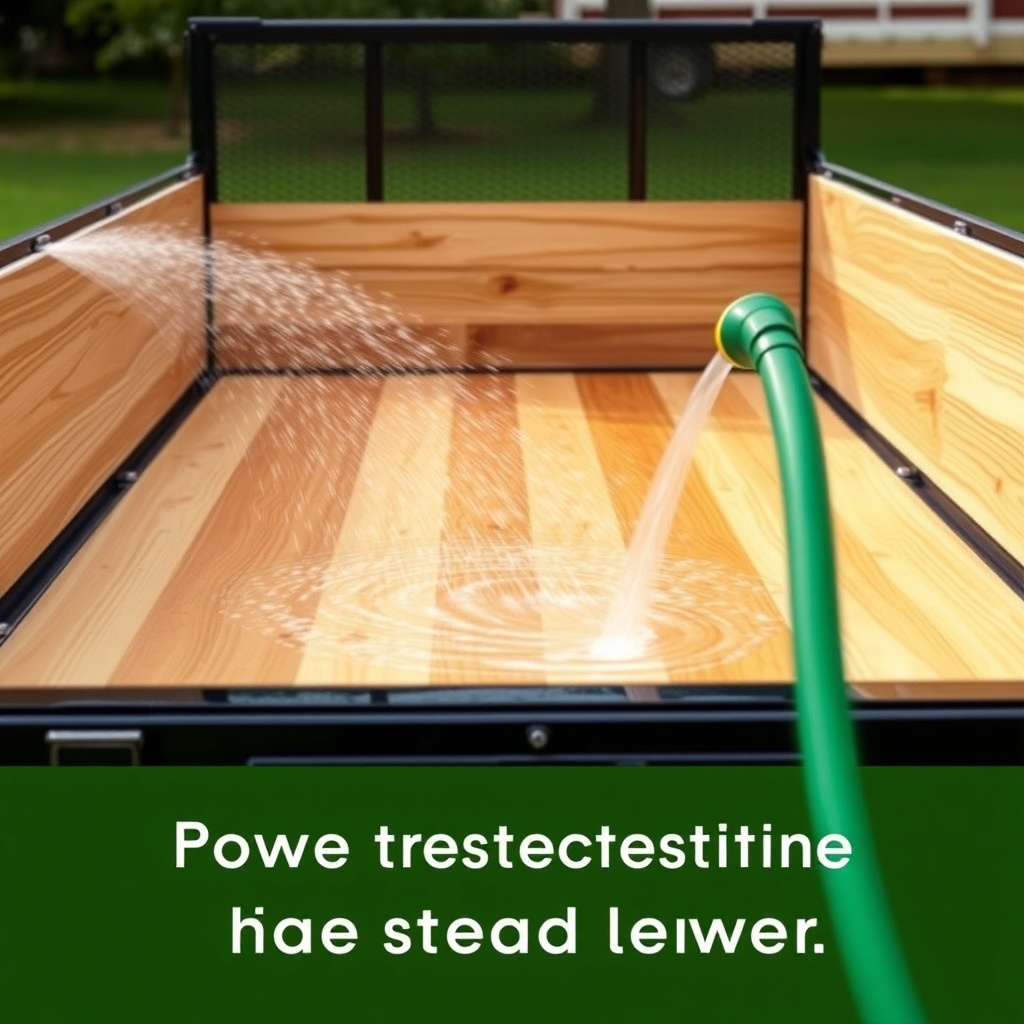
If your PJ Trailers 5×10 has a treated wood floor, proper care is essential because moisture can lead to rot and warping. Start by sweeping out debris after each use, then hose down the floor to remove salt and dirt. Let it dry completely—open the tailgate and tilt the trailer slightly to allow water to run off. Once dry, apply a high-quality wood preservative (like Thompson’s WaterSeal or a dedicated trailer floor sealant) every 12 months. For heavy-use trailers, consider a waterproof paint designed for marine plywood.
Pay attention to the edges where the wood meets the metal frame. That gap can trap water and cause the metal to rust while the wood rots. Seal these gaps with a flexible, silicone-based sealant or butyl tape. Also, inspect the bolts that hold the wood—if they’re loose, tighten them, and if they’re rusted, replace them with stainless steel ones. You’ll find more details on floor construction in our review of PJ Trailers 5×10 Floor Material and Construction Review. If you notice the wood splintering or feeling soft in spots, it’s time to replace the floor—don’t wait because a compromised floor can lead to load shifting and safety issues.
How to Maintain the Ramps and Loading Mechanism for Rust Prevention?
The ramps on your PJ Trailers 5×10 take heavy abuse during loading and can develop rust quickly if left exposed. After each use, remove the ramps and lean them vertically against a wall to let them dry. Inspect the hinge pins and spring-loaded mechanisms—these are often overlooked but are critical for safety. Lubricate the hinges and pivot points with a dry silicone spray every couple of months, especially if you use the trailer in wet conditions. Avoid using grease because it attracts dirt and grime.
For the ramp surface, check for rust on the tread plate or expanded metal. Light surface rust can be removed with a wire brush and touched up with matching gray or black spray paint. If you have the bi-fold ramp model, also inspect the center seam where the two halves meet—this spot collects water. For more loading tips and ramp specifics, read our dedicated guide on PJ Trailers 5×10 Ramp Options and Loading Tips. A well-maintained ramp not only prevents rust but also ensures safe operation—a rusty hinge can jam and cause the load to shift.
What Owners Say About Rust and Maintenance on the PJ Trailers 5×10
Owners of the PJ Trailers 5×10 generally agree that the trailer’s build quality is solid, but they emphasize that rust prevention isn’t optional. One common observation is that the standard painted finish on the frame is adequate for light use but will chip after a few years, especially near the weld joints. Several owners recommend coating the entire undercarriage with Fluid Film before the first winter to get ahead of the problem. Another frequent tip is to install a higher-grade coupler lock because the original gets rusty quickly if not greased regularly.
Another owner mentioned that the wood floor, while durable, needs more attention than metal floors—especially if you haul landscaping materials that retain moisture. They said that applying a sealant in spring and fall doubled the floor’s lifespan. A third user, who lives near the coast, replaced all the bolts on the side rails with stainless steel ones after seeing pitting within two years. They reported that the investment was worth it because the new hardware hasn’t rusted since. Overall, the consensus is that with consistent yearly care, the PJ Trailers 5×10 holds up well against corrosion, even in salty environments.
Frequently Asked Questions
Can I use a pressure washer to clean the PJ Trailers 5×10 undercarriage?
Yes, you can, but be careful around the electrical wiring and brake components. Use a wide-angle spray nozzle and keep the pressure under 2000 psi to avoid damaging the paint or forcing water into sealed areas. Dry the trailer thoroughly afterward.
How often should I repaint the frame of my PJ Trailers 5×10?
If you use it in harsh conditions, plan to touch up scratched areas every year and fully repaint the undercarriage every 3–5 years. Use a high-quality enamel paint designed for trailers or farm equipment.
What type of grease should I use on the trailer’s axle hubs?
Use a lithium-based marine grease for the bearings because it resists water washout. For the coupler and ball, use a general-purpose grease or a dedicated hitch lubricant. Avoid mixing grease types.
Does the PJ Trailers 5×10 come with a rust warranty?
PJ Trailers offers a limited warranty that covers manufacturing defects, but it typically does not cover rust caused by neglect or environmental factors like road salt. Check your purchase paperwork for specifics.
Can I convert a wood floor PJ Trailers 5×10 to a metal floor to avoid rust issues?
It’s possible but labor-intensive and may require structural modifications. It’s usually more cost-effective to maintain the wood floor or to buy a new trailer with a diamond plate floor. For more on floor options, see our PJ Trailers 5×10 Floor Material and Construction Review.
How do I winterize my PJ Trailers 5×10 to prevent rust?
Before winter, wash the trailer thoroughly, dry it, and apply a protective spray to all metal surfaces. Also, inflate tires to the manufacturer’s recommendation, and store the trailer indoors if possible. If you must leave it outside, use a breathable cover.