Introduction to PJ Trailers 5×10 Maintenance and Rust Prevention
Owning a PJ Trailers 5×10 utility trailer means investing in a durable workhorse that demands regular care. Without proper maintenance, even the best-built trailers succumb to rust and wear. This guide covers specific steps to keep your trailer in peak condition, from undercarriage treatment to electrical checks. Whether you use it for landscaping, hauling equipment, or as a cargo carrier, these practices will extend its service life.
How Often Should I Inspect the Frame and Undercarriage for Rust?
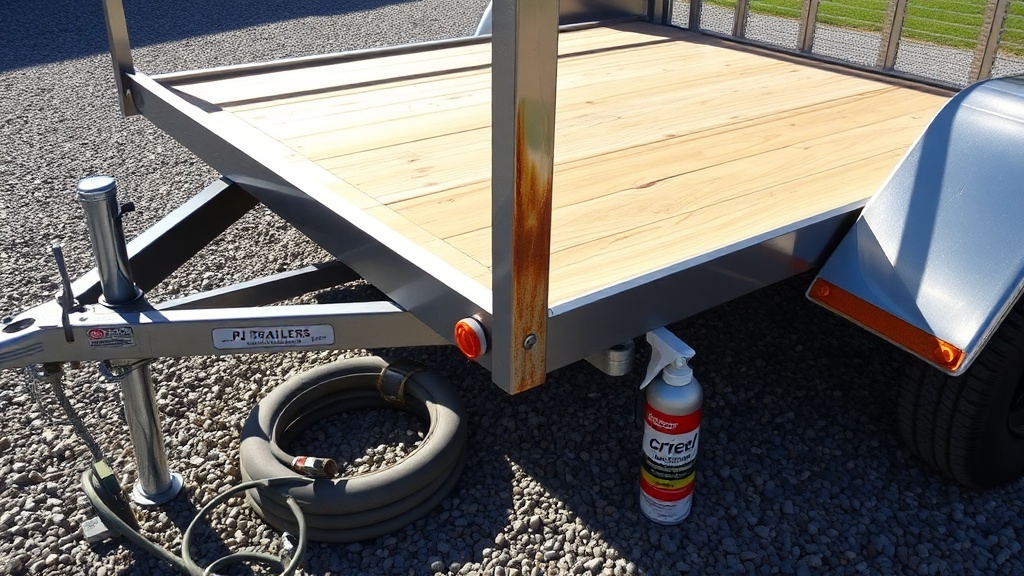
Rust begins where road salt, moisture, and debris accumulate. For a PJ Trailers 5×10, the steel frame and leaf spring mounts are vulnerable. Inspect these areas every 90 days, or more frequently in winter months. Look for bubbling paint, orange-brown stains, or flaking metal. Pay special attention to weld joints and axle mounting points.
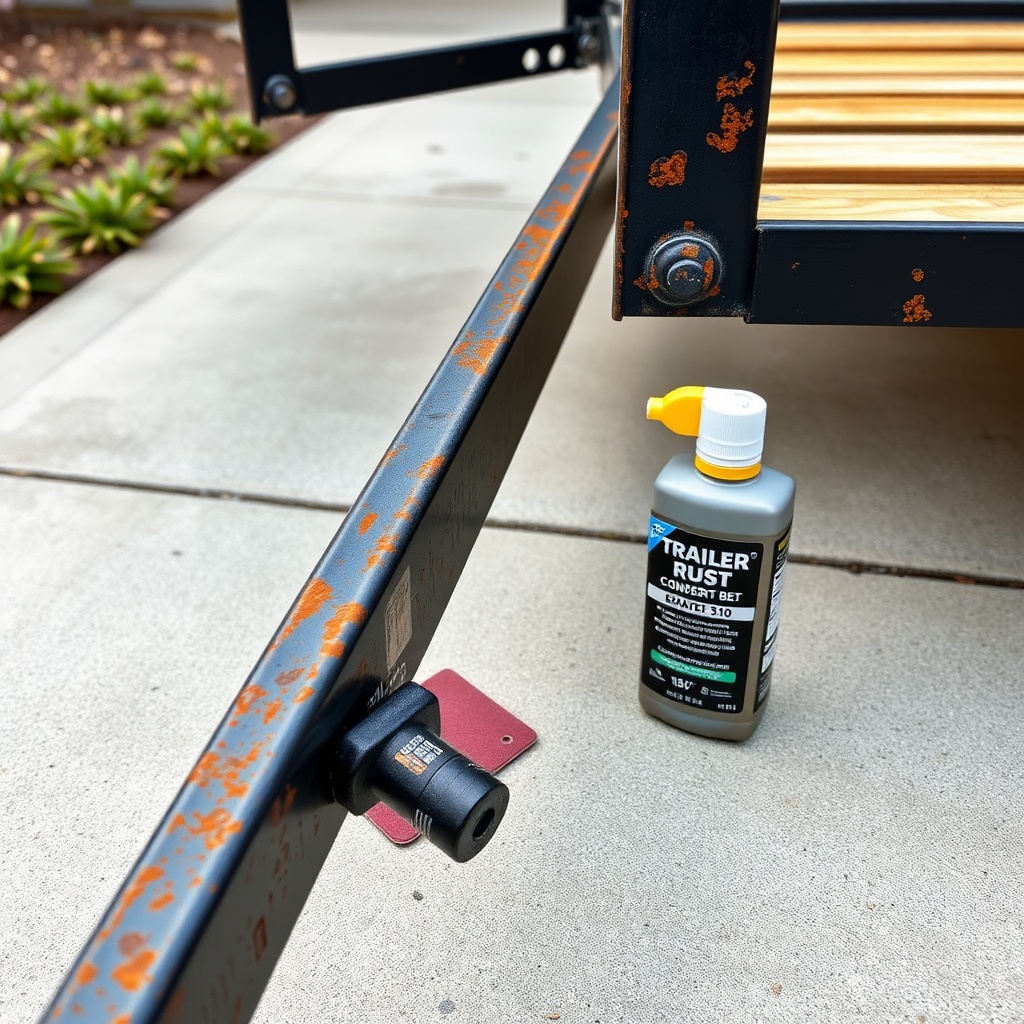
For heavy users, monthly checks are recommended. Use a flashlight to examine inside the frame rails and around the tongue coupler. Catching rust early saves significant repair costs. If you find surface rust, sand it down and apply a rust converter before repainting.
What Is the Best Way to Wash and Dry the Trailer to Prevent Corrosion?
Pressure washing the PJ Trailers 5×10 after each use removes corrosive contaminants. Use a degreaser on the floor and wheel wells. Avoid spraying directly into sealed bearing hubs or electrical connections. After washing, dry everything thoroughly—especially between the planks of the floor material and construction—using a leaf blower or microfiber cloths.
For the underside, a garden hose with a jet nozzle works well. Allow the trailer to air dry in direct sunlight for at least 2 hours. Never store a wet trailer; moisture trapped under a cover accelerates rust. In humid climates, consider using a dehumidifier in the garage if storing inside.
Which Rust-Proofing Products Work Best for PJ Trailers 5×10?
Applying a rust inhibitor annually adds a protective layer. For the frame and suspension, use a lanolin-based spray like fluid film or a polyurea coating. These products creep into seams and provide long-term protection without trapping moisture. For the deck, use a marine-grade sealant rated for pressure-treated wood or check the specific flooring material used in your model.
Apply rust-proofing in dry weather above 50°F. Mask off brake lines, tires, and wiring harnesses. For maximum coverage, use a spray gun with an extension wand to reach inside frame rails. Reapply after heavy use or winter exposure.
| Product Type | Typical Cost (USD) | Coverage per Unit | Durability | Best For |
|---|---|---|---|---|
| Lanolin Spray (e.g., Fluid Film) | $12–$18 per can | 60–80 sq ft | 6–12 months | Frame, spring mounts, undercarriage |
| Polyurea Coating (e.g., RBX) | $40–$60 per gallon | 100–150 sq ft | 2–4 years | Full frame and tongue |
| Marine-Grade Wood Sealant | $25–$35 per gallon | 200–250 sq ft | 1–2 years | Plywood deck surface |
| Rust Converter (e.g., Corroseal) | $15–$22 per quart | 30–50 sq ft | Permanent after topcoat | Touch-up over small rust patches |
How Do I Maintain the Ramps and Loading System?
The ramp options and loading tips for PJ Trailers 5×10 include spring-assisted or bi-fold designs. Check ramp hinge bolts for tightness monthly. Lubricate pivot points with lithium grease to prevent seizing. Inspect the ramp surface for warping or cracks.
For spring-loaded ramps, test the tension—ramps should lift smoothly without binding. Clean dirt and gravel from ramp channels to reduce wear. If the ramp uses a folding mechanism, ensure the locking pins engage fully. Replace any worn rubber bumpers or stops.
Should I Seal the Wood Deck, and If So, How Often?
The standard PJ Trailers 5×10 uses a pressure-treated plywood deck, though some models have an optional aluminum tread plate. For wood decks, sealing is critical. Apply a penetrating oil-based sealer every 2–3 years, or annually in wet climates. Avoid latex or acrylic coatings, which peel in sunlight.
Before sealing, sand any splinters or rough spots. Clean the deck with a wood cleaner and let dry 2 days. Apply sealer with a roller or sprayer, paying attention to end grains. Allow 24 hours cure time before loading. A well-sealed deck prevents rot and protects the frame from trapped moisture. For more detail on deck materials, see our floor construction review.
What Owners Say
PJ Trailers 5×10 owners commonly report that consistent waxing on the galvanized or painted surface significantly reduces corrosion. Many recommend using a ceramic spray coating for the sidewalls to shed dirt. One owner from Ohio noted that applying fluid film to the springs each fall doubled the life of the suspension components.
Several users emphasize checking the electrical connection points—taillight housings and junction boxes often hold moisture. Regularly applying dielectric grease to the 4-pin plug prevents connection failure. Owners also suggest storing the trailer with tires off the ground on jack stands to avoid flat spots and rubber cracking.
Frequently Asked Questions
What type of paint should I use for touch-ups on a PJ Trailers 5×10?
Use a high-quality acrylic enamel or two-part epoxy paint matched to the original PJ color code. For small scratches, a spray can works; for larger areas, brush-applied marine paint provides superior adhesion. Always primer bare metal first.
Can I use a pressure washer on the wheel bearings?
No—direct pressure on seals forces water into the bearings. Instead, rinse gently from a distance and dry immediately. Repack bearings annually or after any water crossing.
How do I check for hidden rust under the trailer?
Use a telescoping inspection mirror and LED work light. Focus on crossmembers, spring hangers, and the area where the tongue meets the frame. Tap suspect spots with a screwdriver—if the metal flakes away, that indicates severe rust.
Should I replace the wood deck with aluminum?
Aluminum panels are lighter and never rot, but they cost more and may dent. Replacing a 5×10 wood deck with diamond plate aluminum costs $400–$600 in materials. Many owners choose to coat the wood instead due to lower cost. Compare options in our PJ vs Wells Cargo comparison.
What is the best rust remover for trailer hardware?
For bolts and hinges, use a citric acid-based rust remover or a wire brush followed by naval jelly. Soak removable parts overnight. Always reapply protective coating after cleaning.
How often should I inspect the trailer’s electrical system?
Test all lights, brakes, and connectors every 60 days. Look for cracked housings or corroded pins. Replace any damaged wiring immediately to prevent short circuits during road use.