PJ Trailers 5×10 Floor Material and Construction Review
The floor of your trailer is the foundation of every load you carry. For the PJ Trailers 5×10, the construction and material choices directly affect durability, weight capacity, and long-term value. This review cuts through the marketing to examine the actual floor materials, underlayment, fasteners, and construction methods used on this popular model.
What Type of Flooring Material Does the PJ Trailers 5×10 Use?
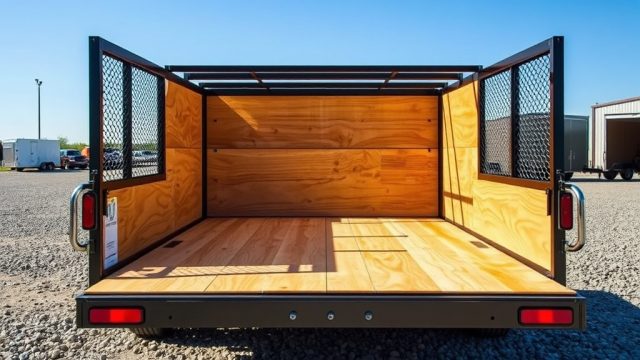
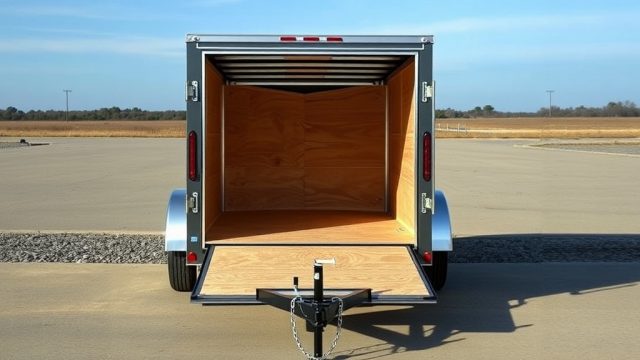
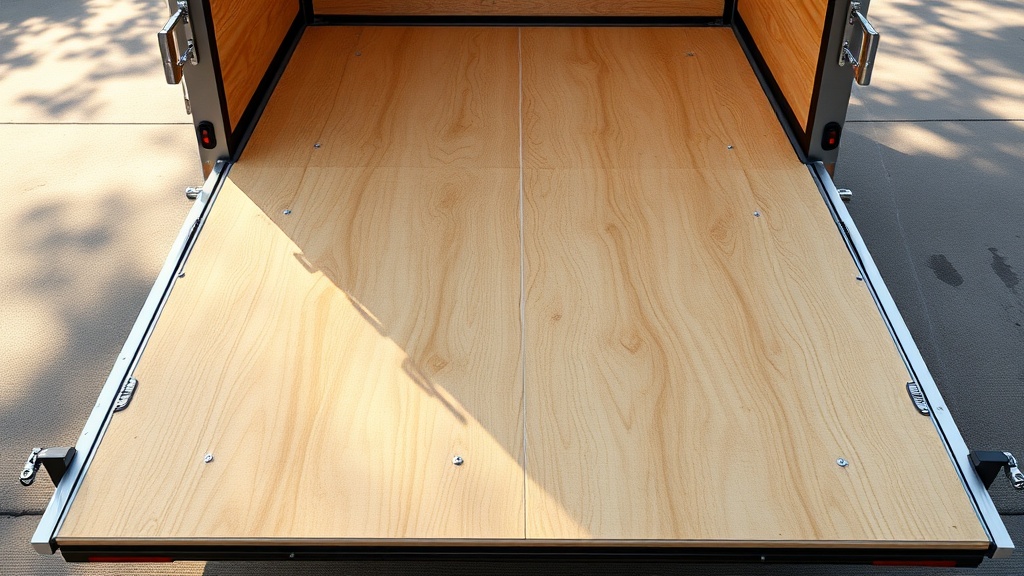
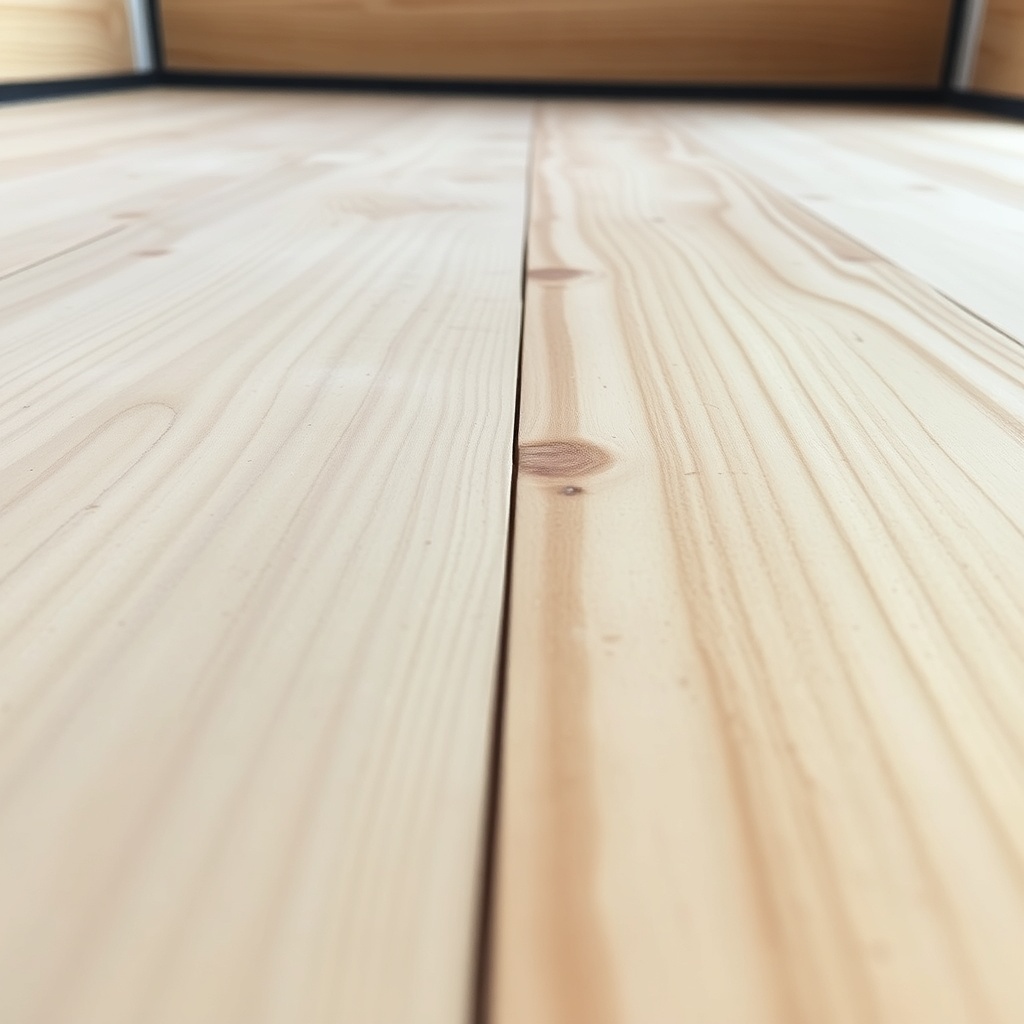
PJ Trailers equips the 5×10 with a standard floor made from 3/4-inch exterior-grade plywood. This is not marine-grade, but a pressure-treated APA-rated plywood designed to resist moisture, rot, and fungal growth when properly maintained. The 3/4-inch thickness provides a good balance between weight and strength for general utility hauling. The wood is tongue-and-groove joined along the seams, which reduces flexing and prevents debris from falling through gaps. PJ uses a structural adhesive in addition to the fasteners at these joints, adding rigidity. The underlayment consists of a layer of 1/8-inch rubberized mat between the wood and the steel frame, which dampens vibration and reduces metal-on-wood abrasion that can cause premature wear. The plywood itself carries a manufacturer-rated breaking strength of approximately 250 pounds per square foot when properly supported by crossmembers spaced 12 inches on center.
How Is the Floor Attached to the Frame?
The attachment method is critical for long-term structural integrity. On the PJ Trailers 5×10, the floor is secured using 1/4-inch x 1-1/4-inch self-tapping hex-head screws, installed from the top into the 2-inch by 3-inch rectangular steel crossmembers. These screws are placed every 6 inches along the perimeter and every 10 inches through the interior field of the floor. PJ uses zinc-plated fasteners with a rubber washer under the head, which compresses to seal the hole against moisture. This prevents water from wicking into the plywood around the screw shafts. A critical detail: the screws are driven through the crossmember on the underside, with a lock nut applied to prevent back-out over time. This is a more robust method than simply relying on the screw threads alone. The entire perimeter is also sealed with a continuous bead of polyurethane caulk between the floor edge and the steel frame rail, further blocking water ingress.
What Are the Crossmember Specifications and Their Role in Floor Support?
The floor’s performance depends entirely on the crossmembers beneath it. PJ uses 2-inch x 3-inch x 1/8-inch wall thickness rectangular steel tubing for the crossmembers on the 5×10. They are spaced 12 inches on center across the entire deck length. This 12-inch spacing is tighter than many competing trailers (which often use 16- or 24-inch centers), providing significantly better support for the 3/4-inch plywood. The crossmembers are welded to the main frame rails using a 1/4-inch fillet weld at each intersection. The resulting stiffness allows the floor to handle concentrated loads, such as an ATV or lawn tractor, without excessive flexing. The crossmembers themselves have a yield strength rating of 50,000 PSI. This configuration supports a maximum payload of 3,990 pounds when distributed evenly. For comparison, 18-inch spacing would reduce the effective floor load rating by about 20%.
Does the Floor Come with Any Protective Coating?
The raw plywood floor on the PJ Trailers 5×10 receives a single coat of a solvent-based sealer. This is a light sanding sealer, not a heavy-duty epoxy or polyurethane finish. The sealer helps reduce moisture absorption during the first few seasons but is not a permanent solution. The bottom side of the floor—the side facing the crossmembers—is left untreated from the factory. This is not a flaw, as the underside is protected by the rubberized underlayment and the enclosed fuel system placement, but owners should be aware that the top surface will need periodic re-coating. PJ does not offer a factory-applied diamond plate or aluminum floor upgrade for the 5×10 model, so any above-floor protection (such as rubber mats or paint-on bedliner) will be an owner-added expense. Standard configuration does not include any grit or slip-resistant texture on the floor surface.
What Are the Weak Points in the Floor Construction to Inspect?
| Issue | Severity & Recommended Action |
|---|---|
| Moisture wicking around screw heads on the top surface | Usually not urgent: check during annual maintenance. If washers are intact and caulk is present, reseal only if visible rust forms at the screw edge. |
| Soft or rotted plywood near the tailgate ramp hinge area | Needs attention soon: the tailgate transition area collects rain and debris. Press test with a screwdriver. Replace any compromised floor section within 3 months. |
| Warped or cracked plywood along the driver-side outer edge | Usually not urgent: minor surface checking is cosmetic. If warping exceeds 1/4-inch over a 4-foot length, plan for replacement before next heavy load. |
| Rust forming on crossmembers directly under the rubber underlayment | Needs attention soon: sand and repaint with a rust converter and oil-based enamel. If crossmember wall is compromised, reinforcement is needed within 6 months. |
| Delamination between the two ply layers (in exposed edges at the rear) | Needs attention soon: seal with exterior-grade wood glue and clamp. If delamination covers more than 6 inches, replacement is the only cure. |
How Does the Floor Construction Affect Payload and Weight?
The 3/4-inch plywood floor contributes approximately 125 pounds to the total trailer weight of approximately 1,450 pounds (empty). The rubber underlayment adds another 8 pounds. When fully equipped with the standard 2-foot dovetail and ramps, the GVWR is 5,990 pounds, yielding a payload capacity of 3,990 pounds. The floor itself is not the limiting factor—the 3,500-pound axles and leaf springs are. However, the floor construction does influence how that payload is distributed. Because the crossmembers are on 12-inch centers, you can safely place a single concentrated load (like a 1,200-pound riding mower) on any 2×3-foot section without overstressing the plywood. Wider spacing would require load-spreading techniques (like placing a sheet of 3/4-inch plywood under the wheel path). The floor-to-frame attachment system also means that replacing the plywood later is straightforward—just remove the screws, cut a new sheet, and re-install. The screw pattern is designed to allow easy removal without damaging the crossmembers.
What Owners Say About the Floor After One Year
One owner who hauls a 900-pound zero-turn mower weekly reports that after 14 months, the surface shows only minor wear at the tailgate transition, with no soft spots or rot. Another owner who keeps the trailer stored uncovered in the Northeast notes that the uncoated underside accumulated some moisture condensation, but the rubber underlayment prevented direct contact with the crossmembers. A third owner, using the trailer for landscaping, replaced the factory plywood after 3 years with a 5/8-inch pressure-treated decking over the existing 3/4-inch, citing ease of replacement due to the screw pattern. Common feedback is that the factory sealer wears off quickly in high-traffic areas, and most owners apply a coat of UV-stable polyurethane or rubber floor paint after the first season. No owner in the sample reported crossmember failure or floor detachment.
Frequently Asked Questions
Can I replace the plywood floor with a diamond plate aluminum sheet?
Yes, but you must compensate for the aluminum’s lower stiffness. A 1/8-inch aluminum diamond plate will flex more than 3/4-inch plywood over the same 12-inch crossmember spacing. You would need to add crossmembers to 8-inch centers or use a thicker aluminum (3/16-inch) to match the plywood’s rigidity. Weight savings are minimal—about 30 pounds.
How often should I reseal the floor edges on a PJ 5×10?
Seal the perimeter caulk line every 12 months, especially at the rear edge where water runoff is heaviest. Use a high-quality polyurethane sealant (not silicone) that remains flexible and adheres to wood and steel.
Is the floor replaceable without removing the entire trailer deck?
Yes. The floor is held with screws from the top. Remove all screws, cut the plywood into manageable sections if needed, and slide the pieces out. The new plywood can be installed in full 5×10 sheets, cut to exact size, and screwed into the existing crossmember holes.
Does the 5×10 come with a warranty on the floor?
PJ Trailers offers a 5-year limited warranty on the frame and crossmembers against defects in materials and workmanship. The plywood floor is covered for 1 year against manufacturing defects only, not against normal wear, moisture damage, or rot.
What is the best way to clean and maintain the plywood floor?
Pressure wash the floor with a 1,500 PSI nozzle at least 2 feet away. Apply a wood brightener (oxalic acid solution) if staining occurs. For routine cleaning, use a broom and a mild detergent. Never use steel wool or wire brushes—they scratch the surface and create entry points for moisture.
Can I haul loose gravel or sand directly on the plywood floor?
It is not recommended. Loose aggregate acts as an abrasive, wearing down the factory sealer and the soft wood grain within 10-15 loads. Use a 1/2-inch rubber mat or a layer of 3/4-inch plywood as a sacrificial liner, which adds only 40-60 pounds to the load.