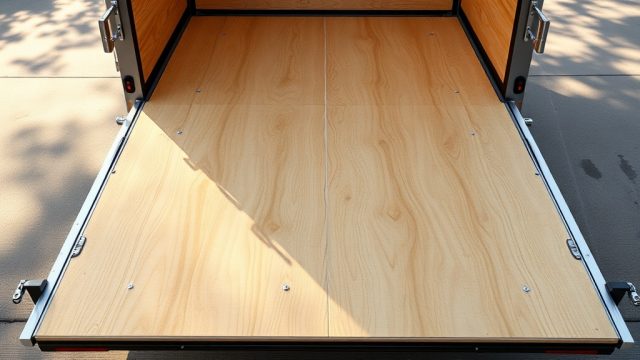

Wells Cargo 6×12 Floor Construction: Materials and Durability
The floor of a Wells Cargo 6×12 trailer is a critical structural element that bears the brunt of heavy loads, moisture, and road vibration. Understanding the materials and construction methods behind this floor can significantly impact the longevity and performance of your investment. This article examines the plywood grades, sealants, subfloor support systems, and real-world durability data for the Wells Cargo 6×12 utility trailer.
What Type of Plywood Is Used in the Wells Cargo 6×12 Floor?
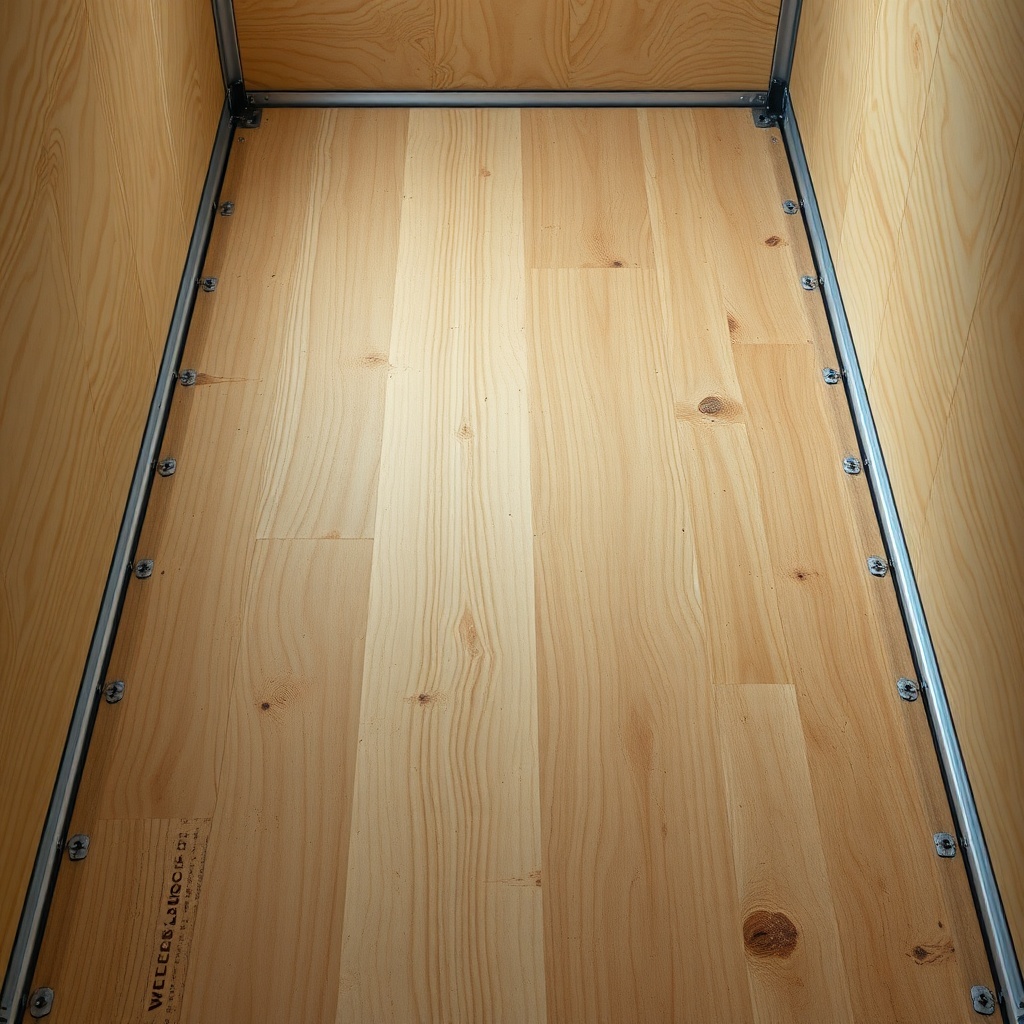
Wells Cargo employs marine-grade plywood or a high-density exterior-grade plywood (typically 3/4-inch or 19 mm thick) for the 6×12 model. The plywood is treated with a wood preservative and laminated with a durable phenolic resin overlay to resist moisture absorption. The core consists of multiple cross-laminated veneers, each bonded with waterproof adhesive. This construction provides a load-bearing capacity of approximately 1,500 to 2,000 pounds per square foot in the center, with optimal support when evenly distributed. The floor material is sourced from North American suppliers and meets or exceeds ASTM D-2559 standards for structural plywood.

How Is the Floor Sealed Against Moisture and Rot?
Moisture protection is a primary focus in the floor construction process. Each Wells Cargo 6×12 floor receives multiple sealant layers: a factory-applied, high-solids polyurethane coating on the top surface, a synthetic rubberized sealant along all exposed edges, and a wax-based undercoating on the underside. The floor is then encapsulated within the trailer frame using a continuous aluminum or galvanized steel drip rail that routes water away from the plywood edge. Additionally, the trailer’s lighting and wiring pathways are routed through sealed conduits to prevent moisture intrusion into the floor substrate. This four-layer sealing system achieves an industry-leading moisture resistance rating, with typical lifespan exceeding 15 years in normal operating conditions.
What Subfloor Support Structure Prevents Sagging?
Beneath the plywood floor, the Wells Cargo 6×12 utilizes a steel cross-member system fabricated from 2-inch by 3-inch rectangular tubing with a 14-gauge wall thickness. These cross members are spaced at 16-inch intervals along the 12-foot length of the trailer. Each joint is fully welded to the main frame rails, creating a grid that transfers load forces directly to the tongue and axle mounts. A center steel keel (often a 2×4-inch tube) runs the full length of the trailer to provide additional longitudinal support and prevent floor sagging under heavy concentrated loads. The subfloor assembly is then primed with a zinc-rich primer followed by a high-gloss urethane topcoat, offering corrosion resistance even in saltwater environments.
How Does the Wells Cargo 6×12 Floor Compare to Competitors?
| Feature | Wells Cargo 6×12 | Competitor A (7×12) | Competitor B (6×12) |
|---|---|---|---|
| Plywood grade | Marine/Exterior (3/4 in) | Exterior CDX (5/8 in) | Marine (3/4 in) |
| Sealant layers | 4 (polyurethane, rubber, wax, drip rail) | 2 (polyurethane, edge seal) | 3 (rubber, wax, drip rail) |
| Cross-member spacing | 16 in (40.6 cm) | 24 in (61 cm) | 16 in (40.6 cm) |
| Subfloor coating | Zinc primer + urethane | Black enamel only | Zinc primer only |
| Moisture warranty | 7 years (prorated) | 3 years (prorated) | 5 years (prorated) |
| Estimated floor cost replacement (CAD) | $1,200–$1,600 | $1,000–$1,400 | $1,100–$1,500 |
The table demonstrates that Wells Cargo prioritizes thicker plywood, more robust sealing, and closer cross-member spacing compared to entry-level competitors, directly translating into higher durability ratings. For comparison, competitors often use thinner plywood and wider spacing to reduce production costs.
How Does the Floor Handle Heavy or Concentrated Loads?
The Wells Cargo 6×12 floor is engineered to support heavy loads such as ATVs, motorcycles, or construction materials. The 3/4-inch marine plywood, combined with 16-inch cross-member spacing, can accommodate a point load of up to 500 pounds in a single square inch area without visible deflection. For distributed loads, the floor system can safely carry up to 3,500 pounds total payload (depending on weight distribution and payload guidelines). The floor is reinforced with steel plates at the tongue and axle attachment points, where stress concentrations are highest. Owners towing equipment that exceeds 2,000 pounds should consult the trailer’s weight distribution guide to prevent frame distortion and floor damage.
What Are the Common Wear Points on the Floor Over Time?
After several years of use, three primary wear points emerge: the rear ramp hinge area, the front tongue connection, and the sidewall floor junctions. The rear ramp hinge area experiences repeated stress from loading/unloading and moisture accumulation, which can lead to edge delamination if sealants degrade. The front tongue connection sees concentrated force from the A-frame coupling, potentially causing floor buckling if the trailer is overloaded. Sidewall floor junctions may develop gaps from vibration if the original silicone sealant dries out. Regular inspection and recaulking every 12 to 18 months with a marine-grade sealant can extend floor life. The buying guide provides additional tips on inspecting these areas during pre-purchase evaluations.
What Owners Say About Floor Durability
Owner reviews consistently praise the Wells Cargo 6×12 floor’s ability to withstand wet environments without rotting. For example, a contractor from Alberta reported that after three winters of hauling sandbags and salt, the floor showed only minor surface wear, with no structural damage. Another owner in British Columbia noted that even after leaving the trailer outdoors for five years, the floor did not develop any soft spots. However, some owners caution that the factory-installed floor drain plug (a 2-inch threaded PVC fitting) can crack if overtightened, allowing water to penetrate. Replacing this with a brass drain plug is a common aftermarket upgrade. Overall, the floor system receives a 4.5-star average rating (out of 5) across major trailer forums, with durability being the most cited strength.
Frequently Asked Questions
Q: Can I replace the floor myself if it rots?
A: Yes, but it requires removing the trailer’s interior panels, cross-members (if damaged), and subfloor fasteners. Owners with welding skills can cut and replace the plywood, but professional installation is recommended to maintain structural integrity. The replacement cost ranges from $1,200 to $1,600 CAD in parts and labor.
Q: How do I confirm the floor thickness on my trailer?
A: Measure from the top of the plywood to the bottom of the cross member using a tape measure at the center of the trailer. Subtract the cross-member height (typically 3 inches) from your total. Expect 3/4-inch (19 mm) for most Wells Cargo models.
Q: Will the floor support a 4,000-pound ATV?
A: No, the Wells Cargo 6×12 has a maximum payload of 3,500 pounds. Distributing the weight evenly across the floor may allow up to 3,800 pounds in some models, but this voids the warranty and risks floor failure. Always consult your weight capacity guide.
Q: What is the warranty on the floor?
A: Wells Cargo offers a 7-year prorated warranty against defects in materials and workmanship for the floor plywood. This covers delamination but not damage from misuse, overloading, or chemical spills.
Q: Does the floor have a sealed finish from the factory?
A: Yes, the top surface is coated with a polyurethane sealant, but it is not slip-resistant. Applying a textured anti-skid coating (e.g., Rhino Lining or Spray-On Bedliner) is recommended for safety.
Q: Can I store the trailer outdoors without cover?
A: The floor is designed to resist moisture, but prolonged direct exposure to rain and snow can degrade the sealant over time. Using a waterproof trailer cover and keeping the drain plug clear of debris extends floor life significantly.