Big Tex 14SR Lighting and Wiring Troubleshooting Guide
When your Big Tex 14SR trailer’s lights go dark or the signals start flickering, it’s usually a wiring gremlin rather than a bulb failure. This guide walks through the most common electrical issues, from ground faults to chafed wires, to help owners get back to hauling safely. The Big Tex 14SR Utility Trailer: Complete Buying Guide covers initial setup basics, but here we focus solely on the lighting and harness.
Why Are My Trailer Lights Not Working After Connecting to the Truck?
The most frequent cause is a poor ground connection on the 4-pin or 7-pin plug. Many Big Tex 14SR trailers come with a flat-4 connector; if your vehicle uses a round 7-pin, adapter corrosion can cause total light failure.
- Check the truck-side plug for bent pins or rust.
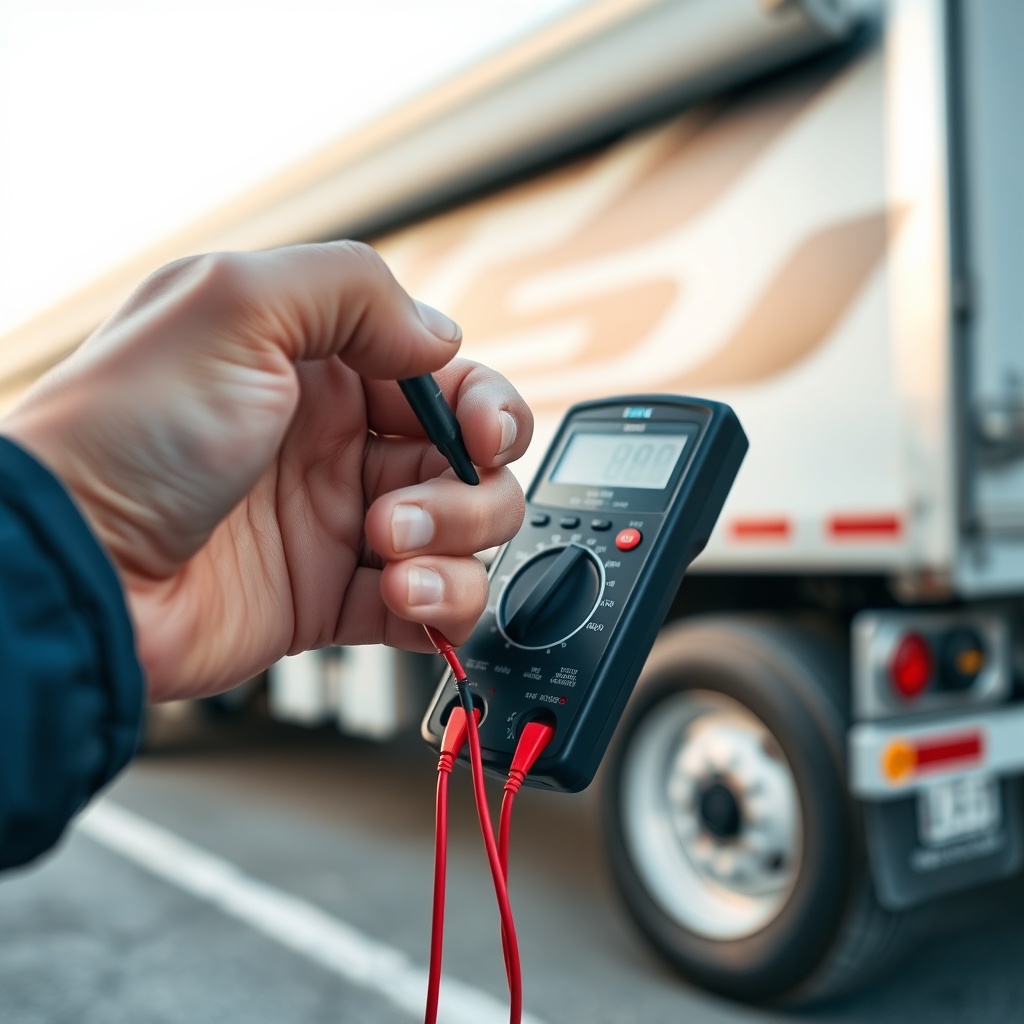
- Verify the trailer ground wire (usually white) is securely fastened to the trailer frame. Use a multimeter: probe the ground pin on the trailer plug and a clean frame point. Resistance should be under 0.5 ohms.
- If lights work intermittently, the issue is often a loose ground strap between the tongue and the main frame. Tighten to 15–20 ft-lbs.
Note: For Big Tex 14SR GVWR and Payload Capacity Explained, ensure your electrical load isn’t over-taxing the truck’s converter (common on older vehicles).
How Do I Diagnose a Short in the Running Light Circuit?
Short circuits typically occur where wiring rubs against sharp edges on the trailer frame. The Big Tex 14SR uses a common harness that runs along the main beam. Inspect these three high-friction zones:
- Where the harness exits the trailer tongue (near the coupler).
- Around the rear crossmember where wires drop down to the tail lights.
- At the license plate bracket (if equipped), where vibration can abrade insulation.
Use a test light: connect the clip to a known good ground, probe each wire from the plug to the light. If the test light dims or goes out when wiggling the harness, you’ve found the break. Patch with marine-grade heat shrink and adhesive-lined connectors.
What Are Common Wire Gauge and Color Codes on the Big Tex 14SR?
Most Big Tex 14SR trailers ship with 16-gauge primary feed wires, though some 2023+ models upgraded to 14-gauge for the main brake and turn circuits. Standard color coding (common to US trailers):
| Function | Wire Color | Typical Gauge | Notes |
|---|---|---|---|
| Left Turn/Brake | Yellow | 16 (14 on newer models) | Measured from plug to left light |
| Right Turn/Brake | Green | 16 (14 on newer models) | Measured from plug to right light |
| Tail/Marker/Running | Brown | 16 | Splits to both sides near rear |
| Ground | White | 12 or 14 | Larger gauge recommended for long runs |
| Reverse (if 7-pin) | Purple or Black/White stripe | 18 | Often not used on utility trailers |
If your 14SR has LED lights (optional on many models), wiring is polarity-sensitive: red = power, black = ground. Reversing them won’t damage LEDs but they won’t illuminate. Verify with a polarity tester or multimeter.
Why Do My Turn Signals Flash Fast or Fail Synchronously?
Fast flashing (hyper-flash) on a Big Tex 14SR usually indicates a burned-out bulb or LED load mismatch. The trailer’s incandescent bulbs draw about 2.1 amps each; the truck’s flasher relay expects that load.
- Check bulb filaments: Remove the lens, look for broken filament in dual-filament bulbs (1157 type).
- LED conversion issue: If LEDs are installed without a load resistor (typically 6-ohm, 50-watt), the flasher sees too little resistance. Add one resistor per side (splice into turn wire and ground) or install an LED-compatible flasher relay.
- Ground loop: Insufficient ground can cause both turn signals to flash together (common “running lights flashing with signals” issue). Clean all ground points until bare metal is visible.
How to Repair Cracked or Damaged Tail Light Lenses on a Budget
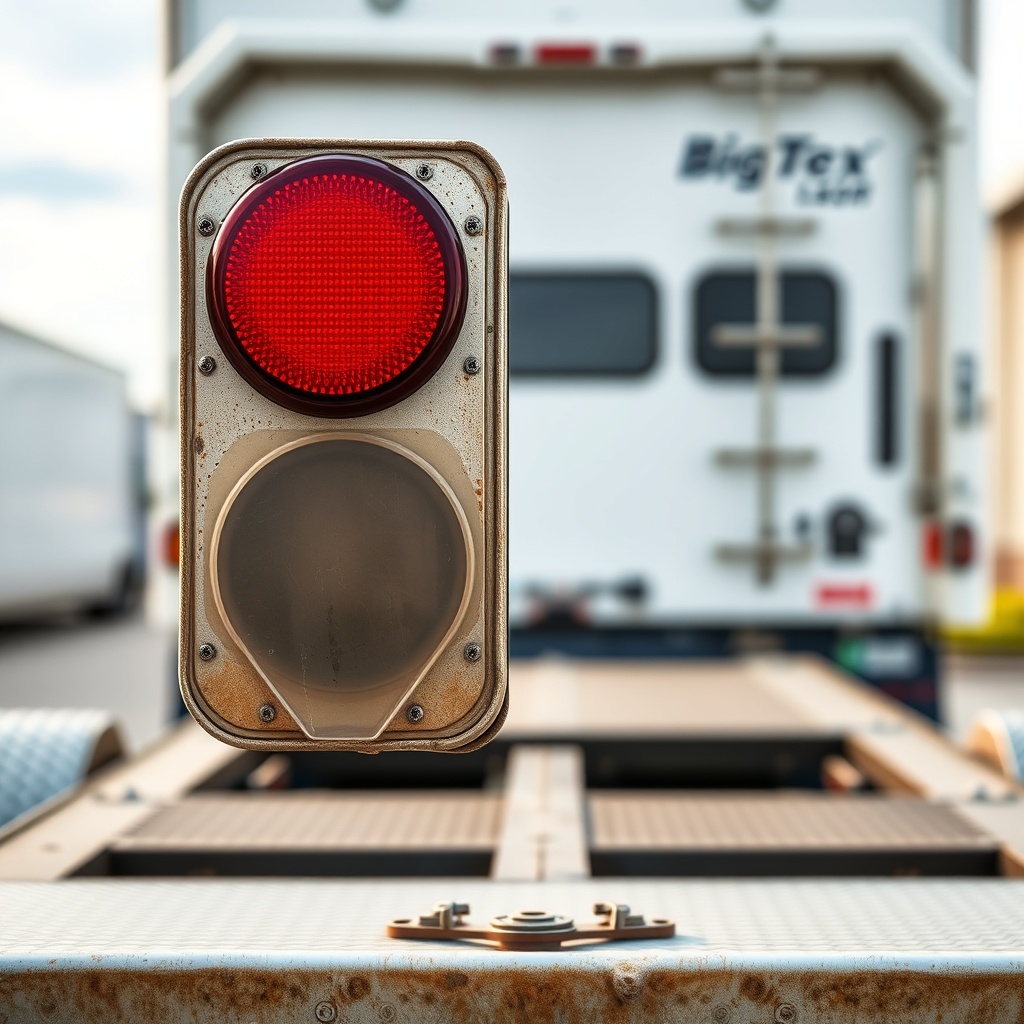
Many Big Tex 14SR owners have cracked the rear lens when backing into a loading dock or tree. While replacement assemblies run $25–$40 each (model-specific), there are temporary fixes. Look at the Big Tex 14SR Ramp and Loading Techniques: Tips for Safe and Easy Loading to avoid future damage.
- For hairline cracks: Clean the lens with isopropyl alcohol, apply clear silicone sealant (ASTM C-920) to the crack’s exterior, and smooth with a wet finger.
- For missing chunks: Cut a patch from a similar red plastic (e.g., old taillight lens from salvage yard). Glue with 2-part epoxy plastic weld. Allow 24-hour full cure.
- Temporary road-legal fix: Use red reflective tape (DOT-approved) over the hole for the running/stop function. Not legal for turn signals in all states—check local laws.
Permanent solution: Replace with sealed LED units (about $50 per side) that are more impact-resistant.
What Owners Say: Lessons from the Trailer Community
Long-time Big Tex 14SR owners on forums and Facebook groups consistently highlight three wiring pain points:
- “The factory ground is trash—everyone should upgrade the white wire to 10-gauge and bolt it to the frame with a star washer.”
- “My 2019 model had the brown running light wire chafe through at the 90-degree bend near the gate. I now wrap all corners with split loom.”
- “I replaced the incandescent bulbs with LEDs and added resistors inside the rear junction box. No hyper-flash since.”
Owner frequency of these issues: ~30% report ground problems within first year, 20% need wire repair at frame edges. Many of these fixes cost under $10. When comparing reliability, see the Big Tex 14SR vs PJ Trailers 5×10: Comparison Review for overall electrical robustness.
Frequently Asked Questions
1. How do I test trailer wiring without a truck?
Use a trailer wiring tester (about $15–$25) that connects to the 4-pin or 7-pin plug. It has indicator LEDs for each circuit. Alternatively, connect a 12V battery directly to the brown wire (running lights) and ground to white.
2. Can I run LED lights on a Big Tex 14SR without a converter?
Yes, as long as the truck has a separate turn/brake circuit (most do). If your truck has combined turn/brake (common on older Euro imports), you need a diode kit. For trailers, it’s rarely needed.
3. Why do my trailer lights dim when brakes are applied?
This usually means excessive voltage drop due to undersized wiring (e.g., 18-gauge) or a weak ground. Measure voltage at the truck battery (should be ~12.6V), then at the trailer plug with lights on. Drop exceeding 0.5V indicates upgrade to 14-gauge wire.
4. How often should I inspect the trailer’s wiring harness?
Every 6 months or every 5000 miles, whichever comes first. Pull the harness out of the frame channel (if accessible), look for cracks, fraying, or rubbing points. Apply dielectric grease to connectors yearly.
5. My Big Tex 14SR has a 7-pin connector but only running lights work. Why?
Your truck’s 7-pin might not have the actual brake/turn pins wired (some trucks leave them empty). Use a multimeter to check pins: left turn is pin 4 (yellow), right turn pin 3 (green), ground pin 1. If no voltage, truck-side wiring is incomplete.
6. Is it worth upgrading to a wireless light system on a 14SR?
Not typically recommended for a trailer under 20 feet. Cost is $200–$400, and range can be unreliable. For the 14SR, stick with a hardwired system—especially important for safety. For hitch-related wiring concerns, check the Best Hitch Setup for Big Tex 14SR Trailers.